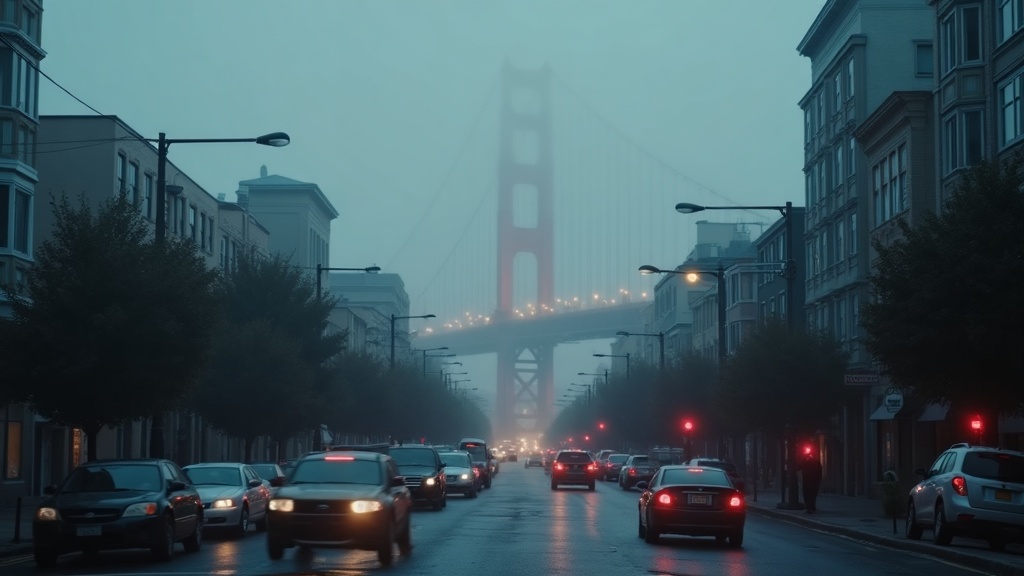
San Francisco, 2040
The fog learned to keep secrets.
A city where the cars drive themselves, the offices became apartments, and half the workforce manages swarms of AI agents that never sleep — a SF that traded the commute for the seawall, and the open-plan office for the front porch. Quieter streets, denser nights, and a new anxiety: in a town where machines do the thinking, what is a day for?
What people are doing
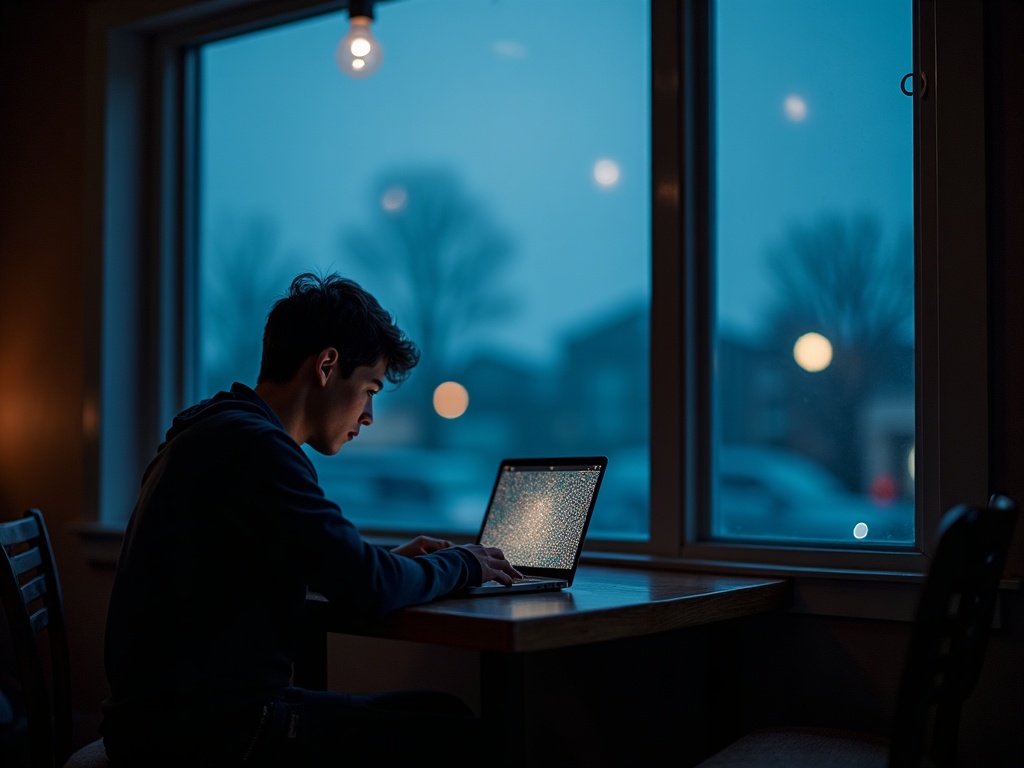
Most knowledge work is now babysitting machines. A 'wrangler' steers a herd of forty AI agents from a café in the Mission, intervening maybe nine times a day — the rest is reading the swarm's hourly digests like a shepherd reading weather.
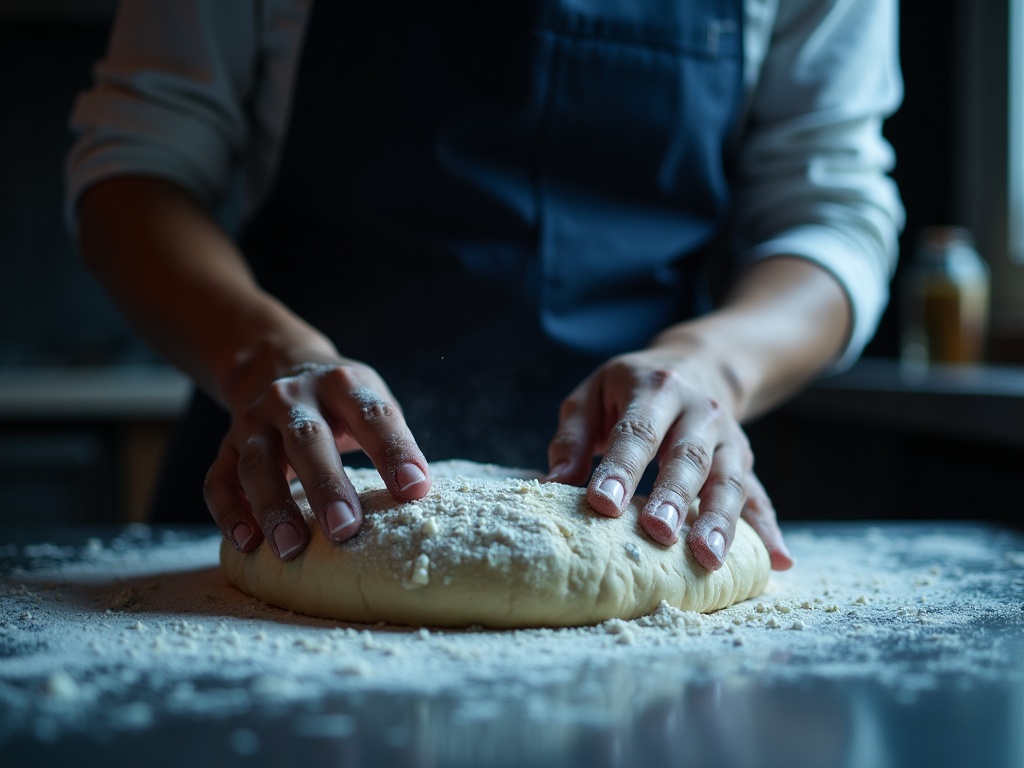
The status job is now anything a robot still fumbles: pastry, repair, hospice touch, knife sharpening, midwifery. 'I work with my hands' is the new flex, said the way founders used to say 'I'm pre-revenue.'
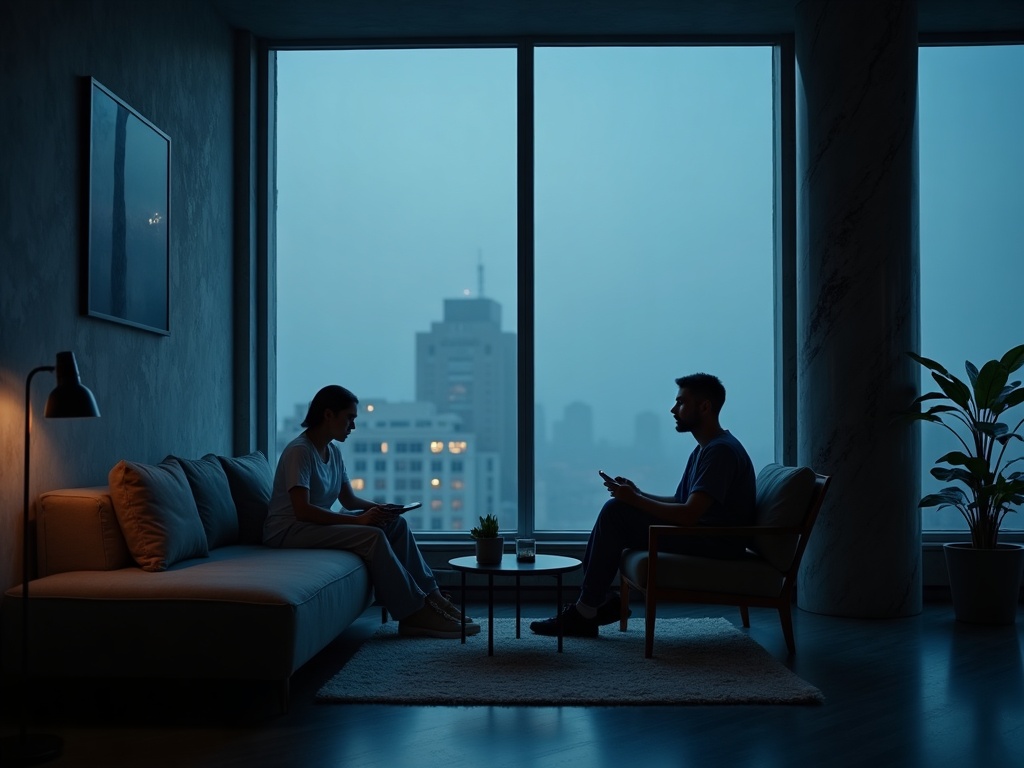
Service workers priced out in the 2020s came back when half the towers turned into apartments and rent finally cracked. A nurse and a Waymo-fleet mechanic now live in a converted boardroom on the 14th floor of a former bank.
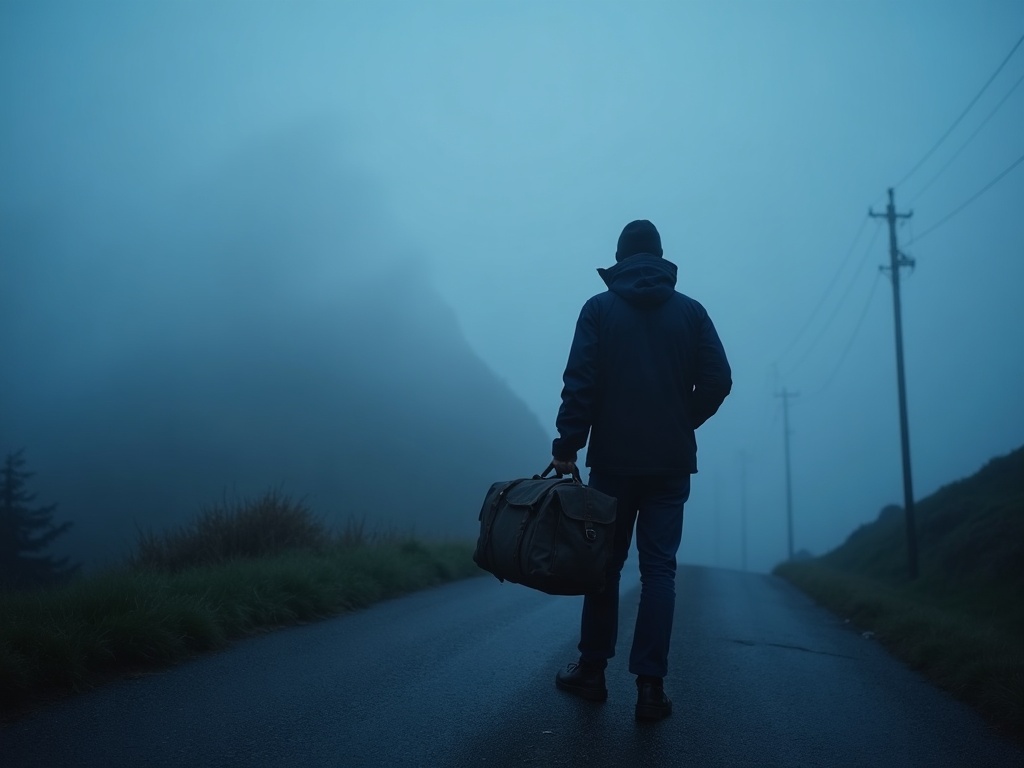
With AI covering baseline income for many, a whole class works four months and roams eight, treating SF as a port of call. They show up for the fog season, leave before the rains.
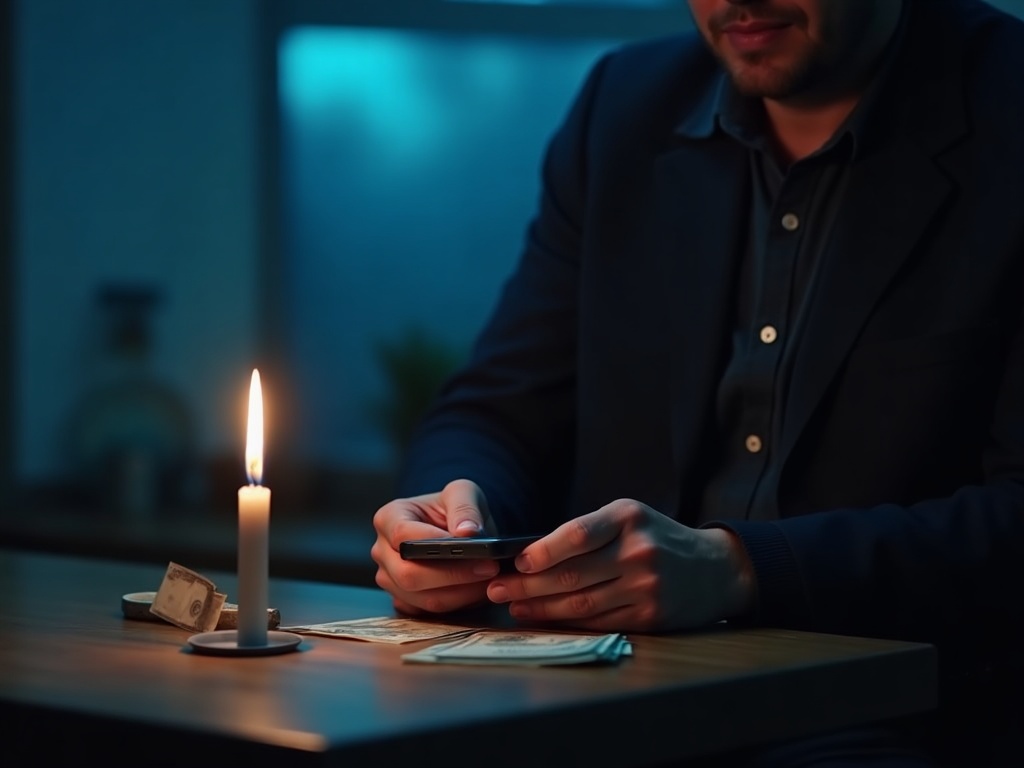
A growing tribe runs phones in Faraday sleeves and pays cash, hiring humans on purpose. They date through a matchmaker, not an app, and consider it a moral position, not a quirk.
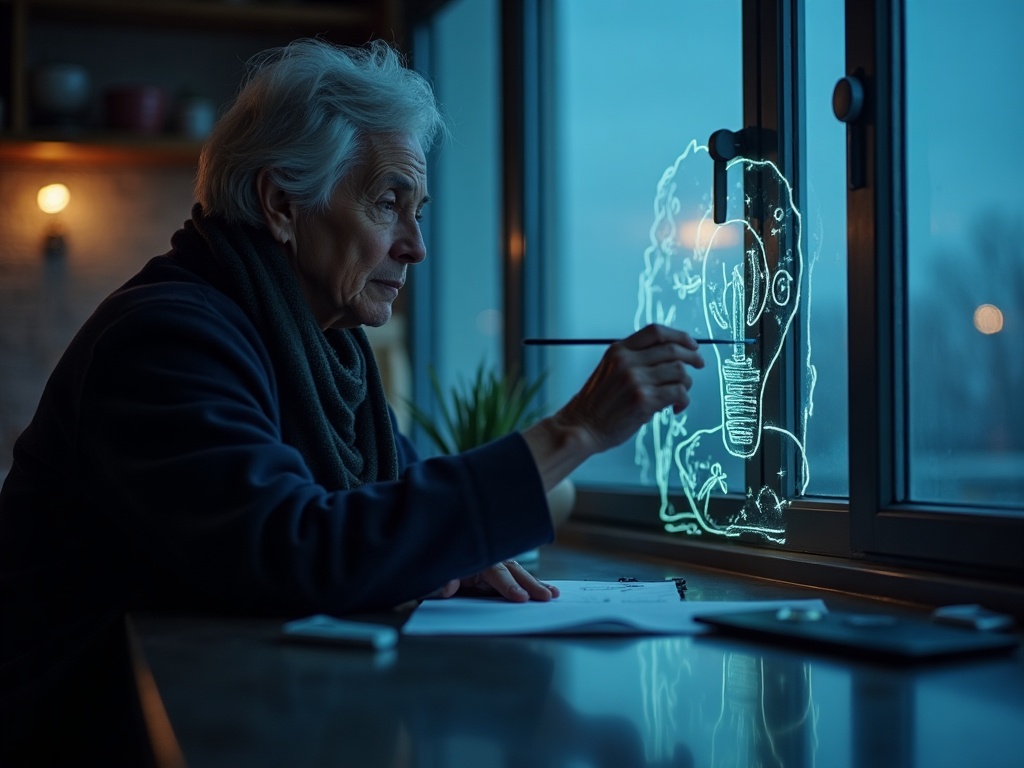
Seventy-year-olds spin up companies in a weekend because the agents do the building. Retirement dissolved into a permanent low-grade entrepreneurship; the median founder age in SF is now forty-eight.
New technology
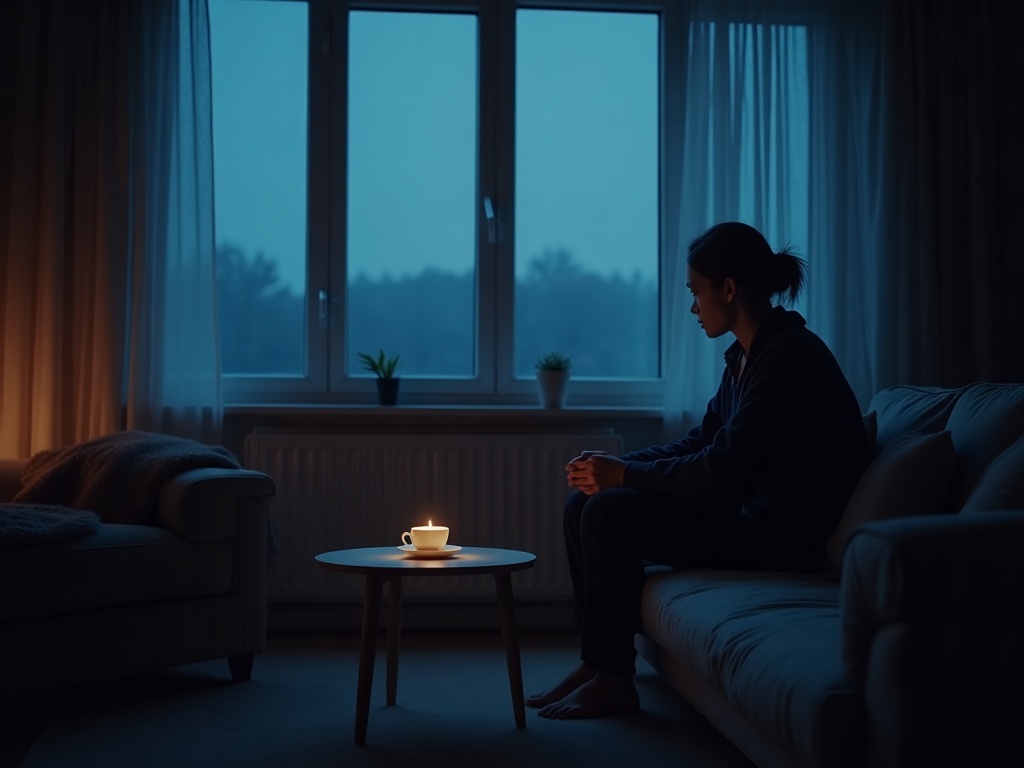
Your AI doesn't live in an app — it lives in the room, listening with permission, finishing your sentences into actions. You say 'handle the Tuesday thing' over coffee and it does, then leaves a one-line note.
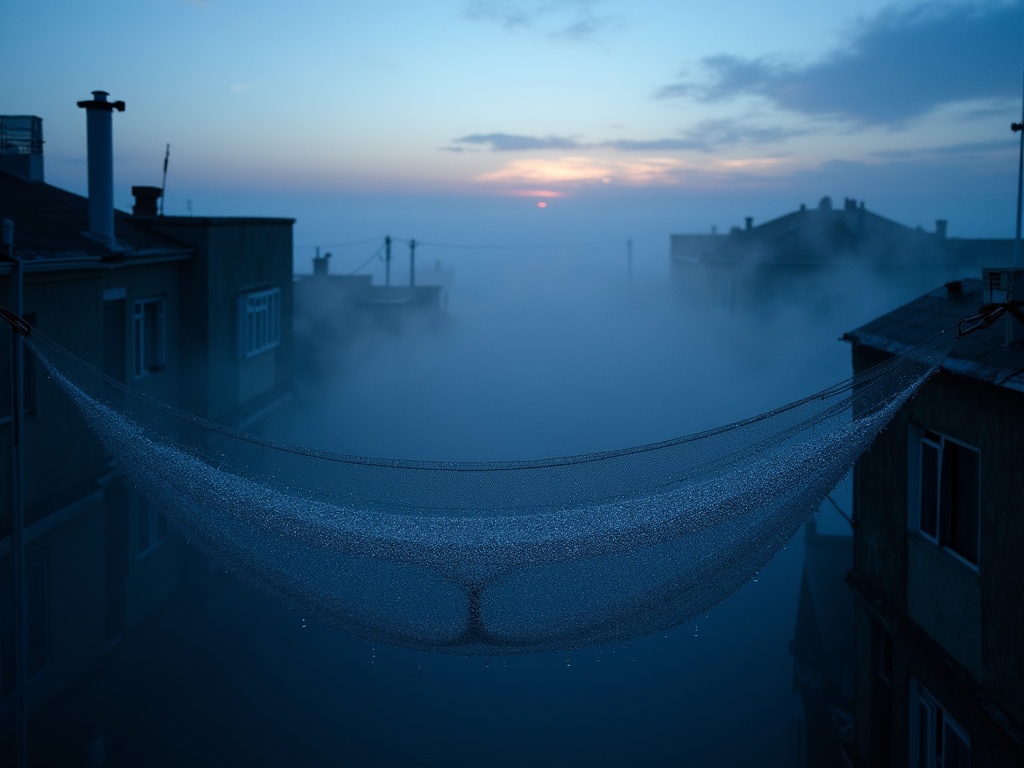
Mesh nets strung between Sunset rooftops wring drinking water out of the marine layer. The fog that defined the city's melancholy is now metered and sold; a foggy June is a wet year.
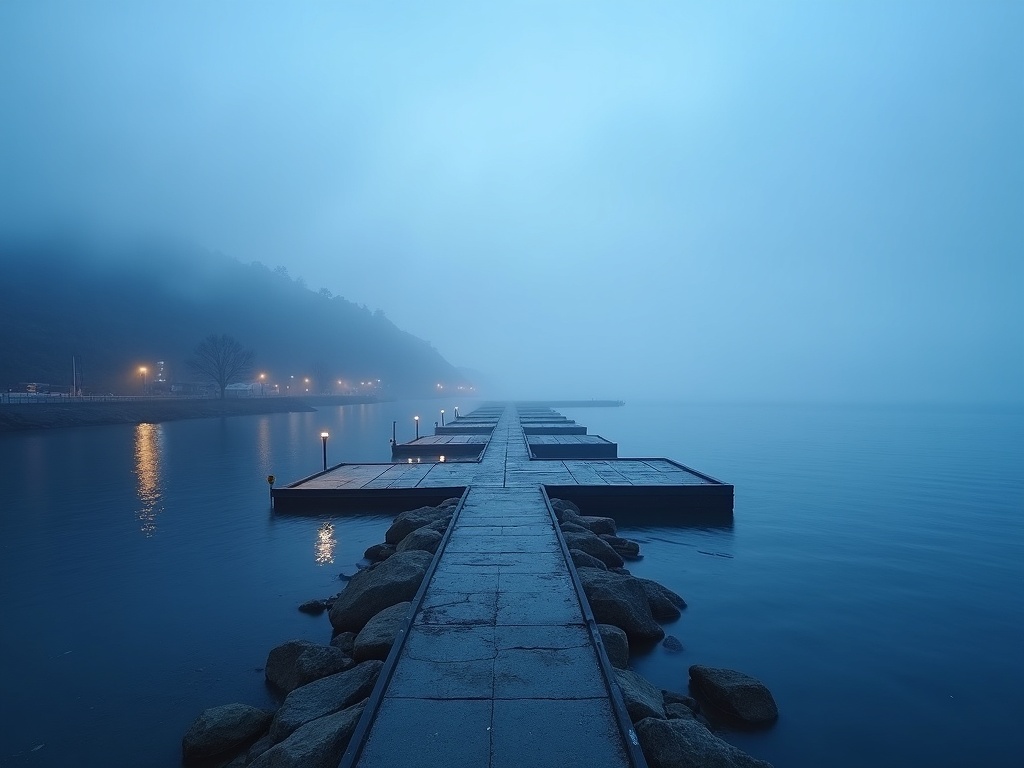
The rebuilt waterfront floats. Promenade segments rise on king tides and storm surge, locking back down at low water — engineered to flood gracefully instead of drowning.
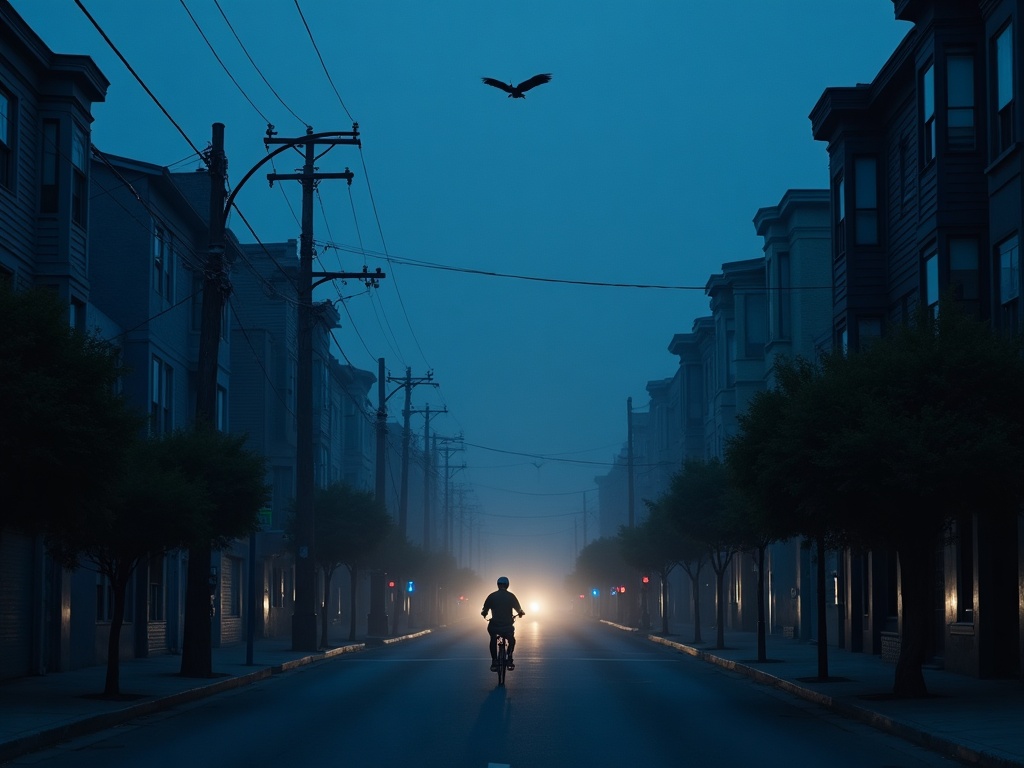
With no engines and no honking, the loudest thing on Valencia is conversation. The city re-tuned itself; you can hear a bicycle bell three blocks off, and the parrots came back to Telegraph Hill in force.
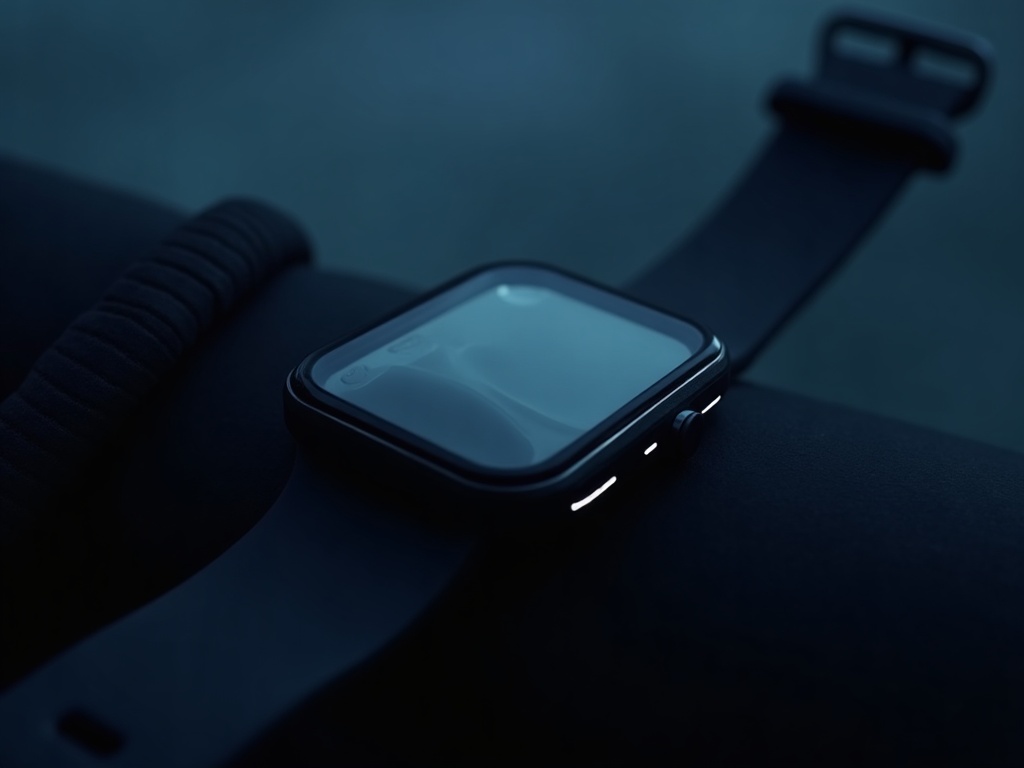
Phones thinned into wrist-and-collar wearables; the screen is a pull-down film or a pair of glasses. Kids find a rectangle in a drawer and ask why grandpa carried a brick.
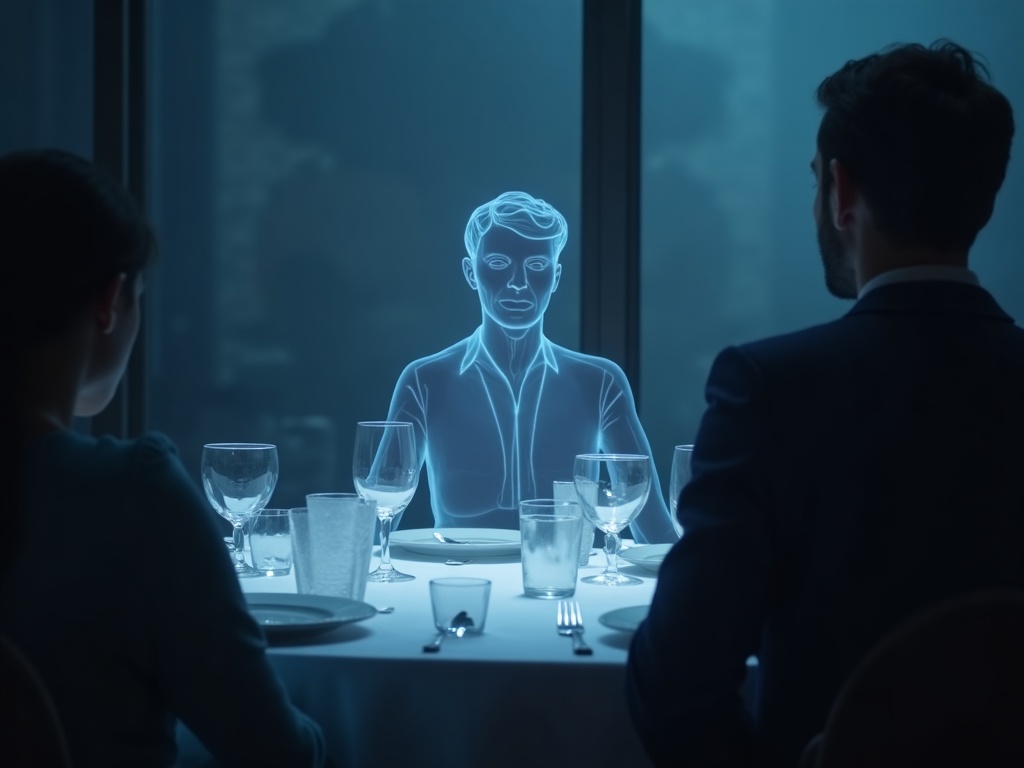
Holographic 'good-enough' stand-ins attend meetings, dinners, even funerals on your behalf — lifelike enough to argue, polite enough to never embarrass you. Etiquette now demands you disclose when it's the real you.
New trends
Output decoupled from hours. People 'check the swarm' three times a day between long stretches of nothing-scheduled, and the new bragging right is how little you touched the keyboard.
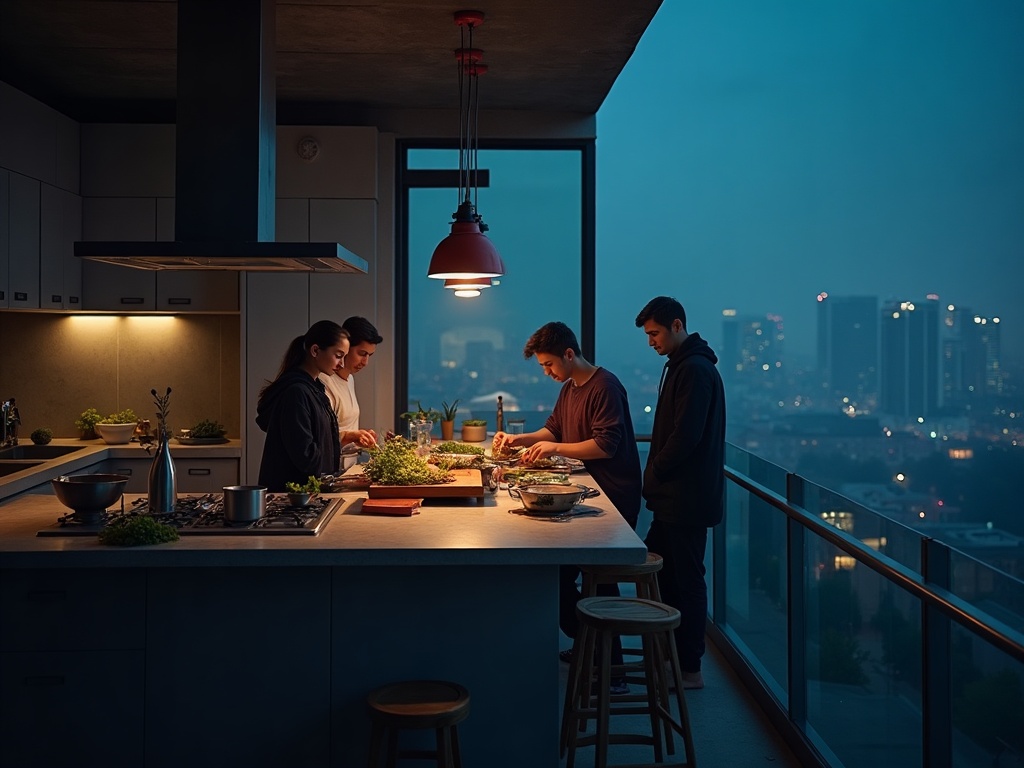
Converted-office buildings grew shared stoops and ground-floor kitchens; the open-plan office became the open-plan home. Neighbors who'd never have met now co-cook on the 22nd floor.
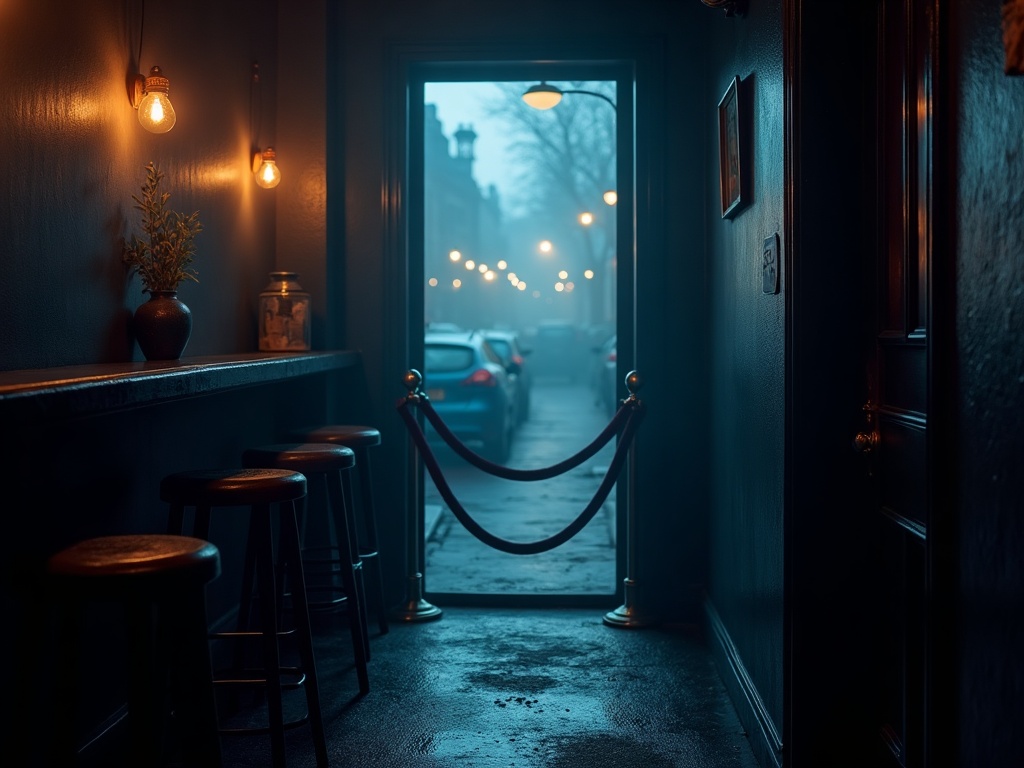
Verified-human spaces — bars, classes, dating nights — charge a premium for a room where nothing is AI-mediated. 'No bots' is a velvet rope.
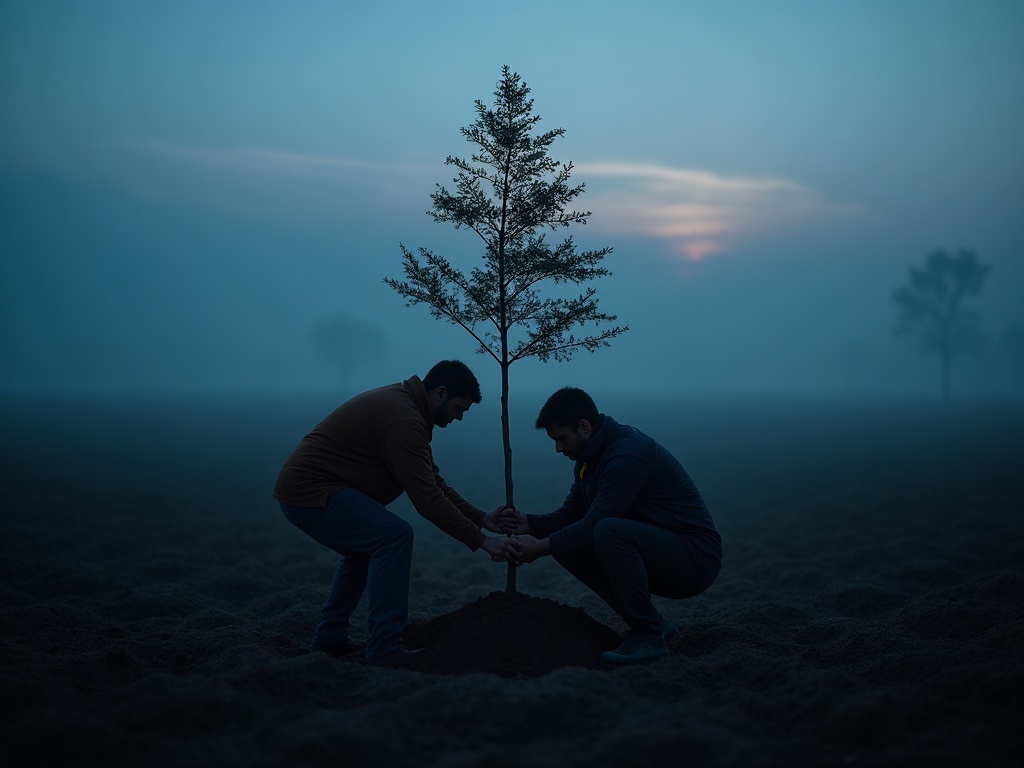
When agents can chase any yield instantly, the cool thing is illiquidity: a ten-year farm share, a hand-built house, a relationship. Patience became the scarce asset.
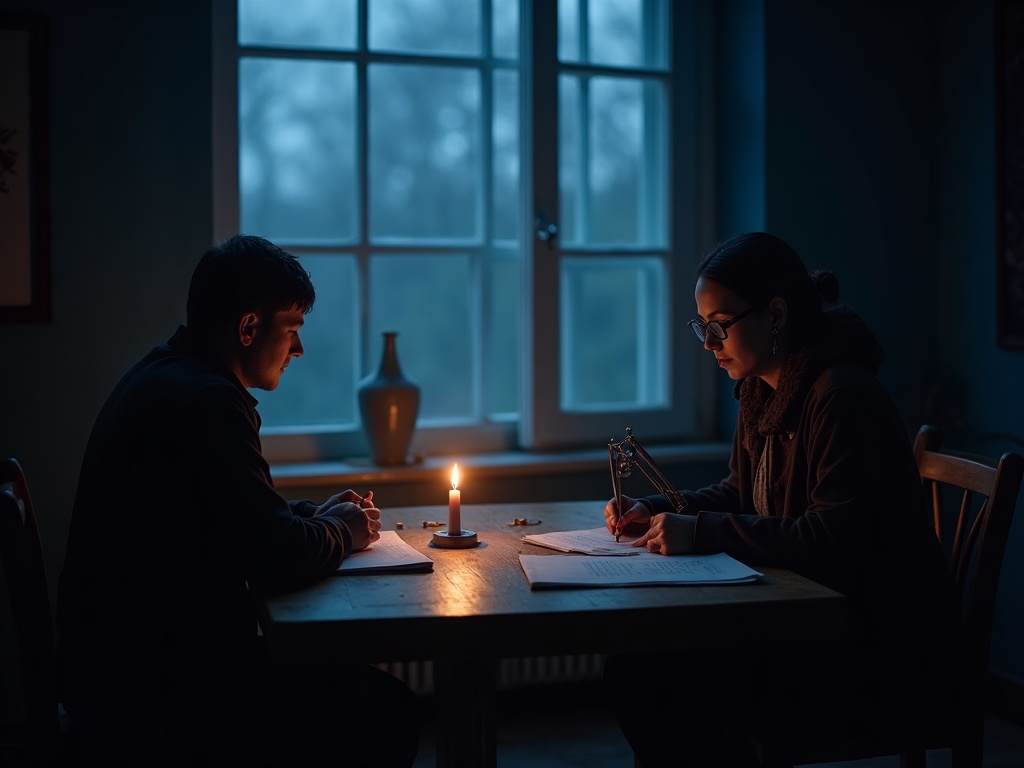
People relearn obsolete crafts — letterpress, celestial navigation, mental arithmetic — not for use but for the feeling of a brain doing something hard. Friday-night 'hard-mode' clubs are booked out.
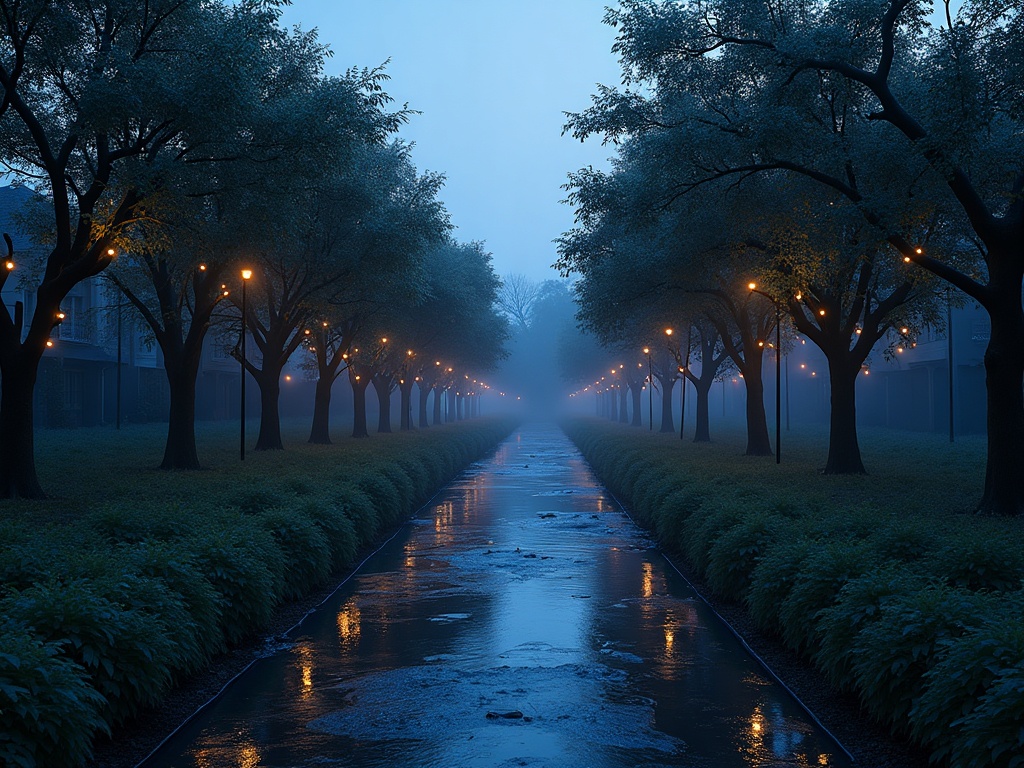
Streets reclaimed from parking turned into linear orchards and creeks daylighted from culverts. Hayes Valley smells like plums in August; salmon were spotted in a reborn Mission Creek.
New problems to solve
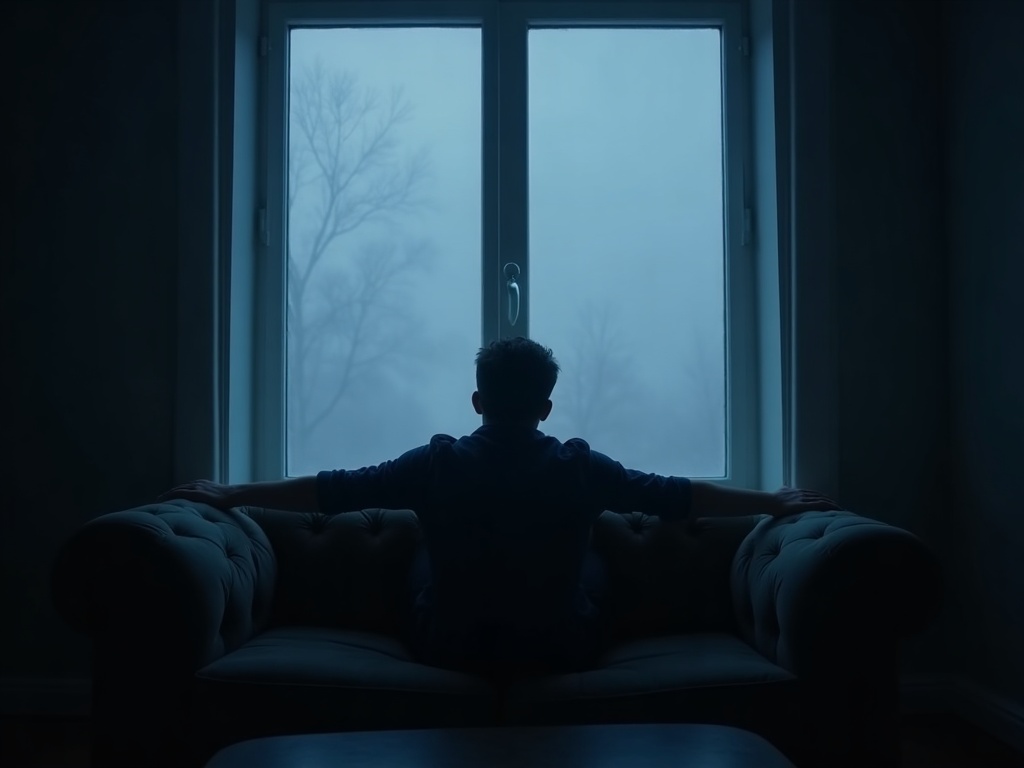
When the machine does the thinking and the rent is covered, a lot of capable people wake up with no reason to. The fastest-growing clinic specialty is meaning, not medicine.
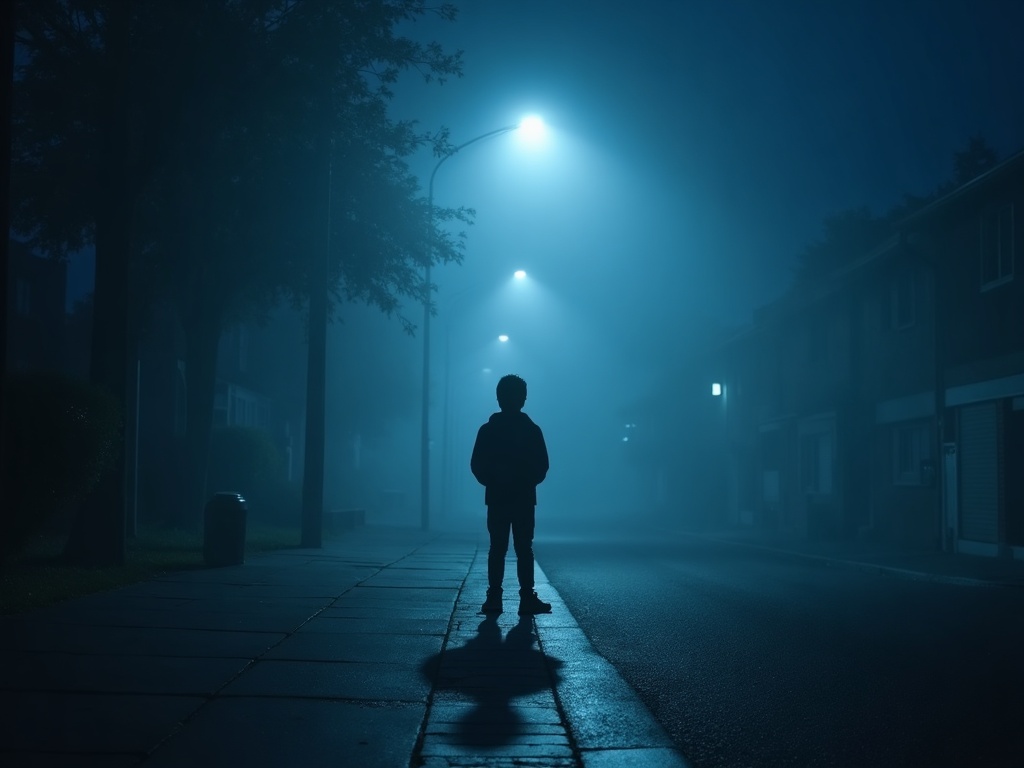
Those who let agents make their decisions are quietly getting worse at deciding. A generation is growing up never having been bored, never having been lost, never having sat with a hard problem alone.
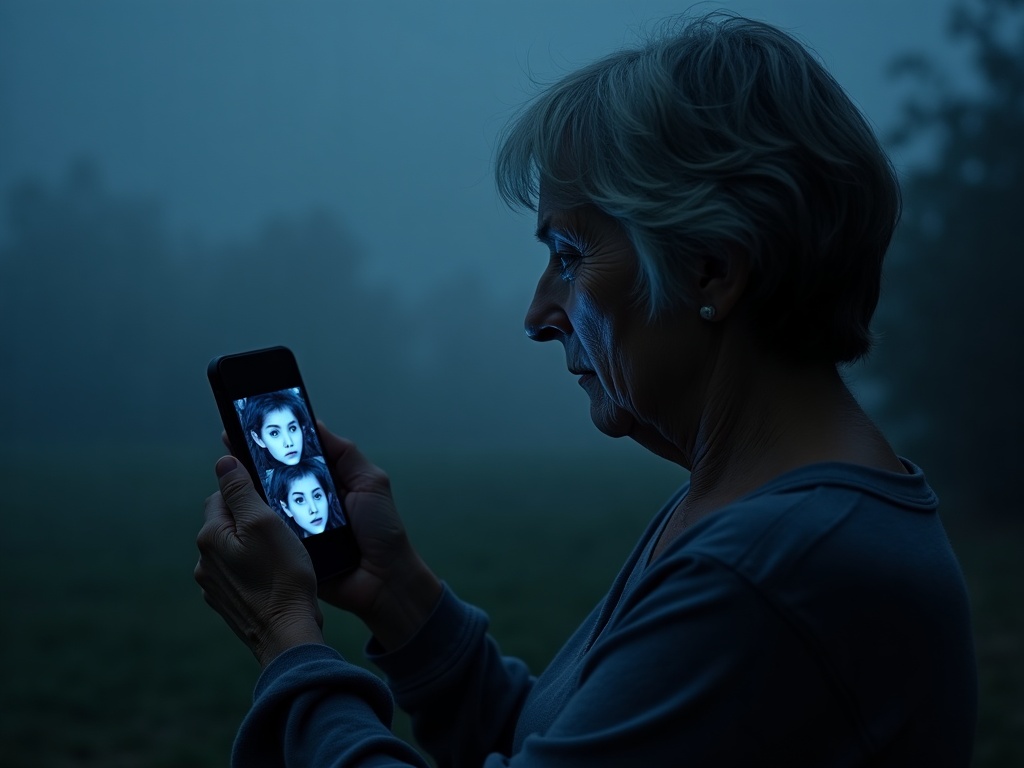
When anyone can send a perfect deepfake of your face to your mother, knowing what's real costs effort. Families invent private passphrases; the notary business is booming.
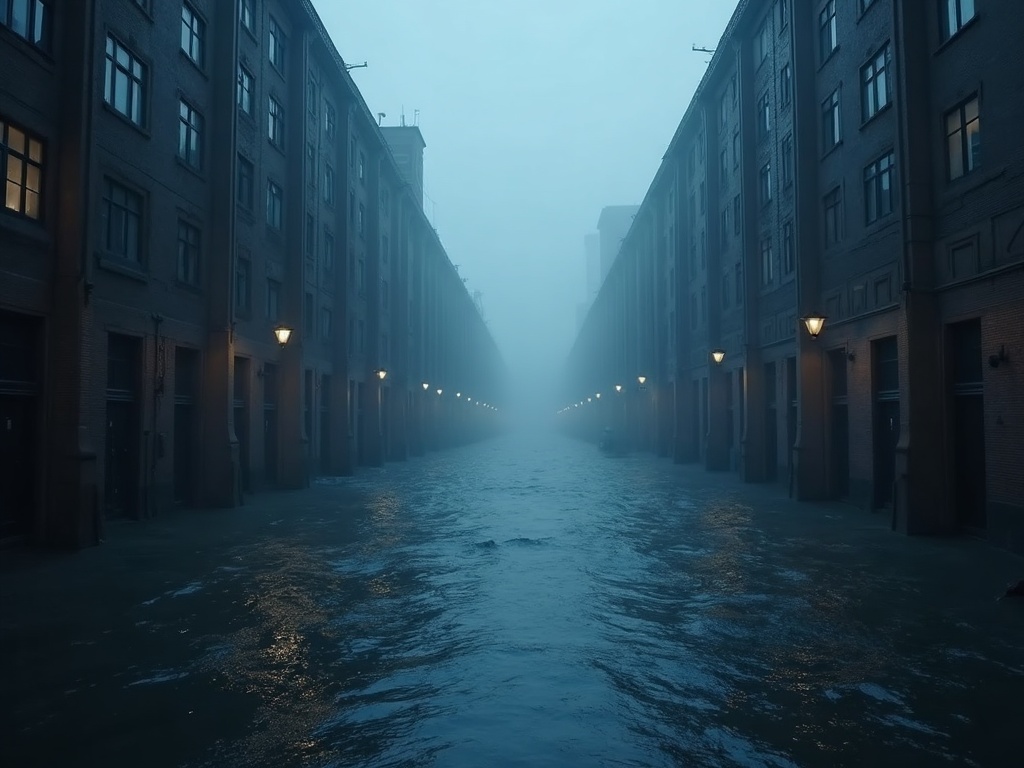
The defended waterfront is gorgeous and expensive; the undefended low blocks of the old industrial south flood and discount. Climate drew a new redline through the city, this time by elevation.

Your swarm signed a contract, lost a client's money, or libeled someone at 3 a.m. Whose fault is it? Courts and insurers are still improvising the answer, and one bad ruling can end a wrangler.
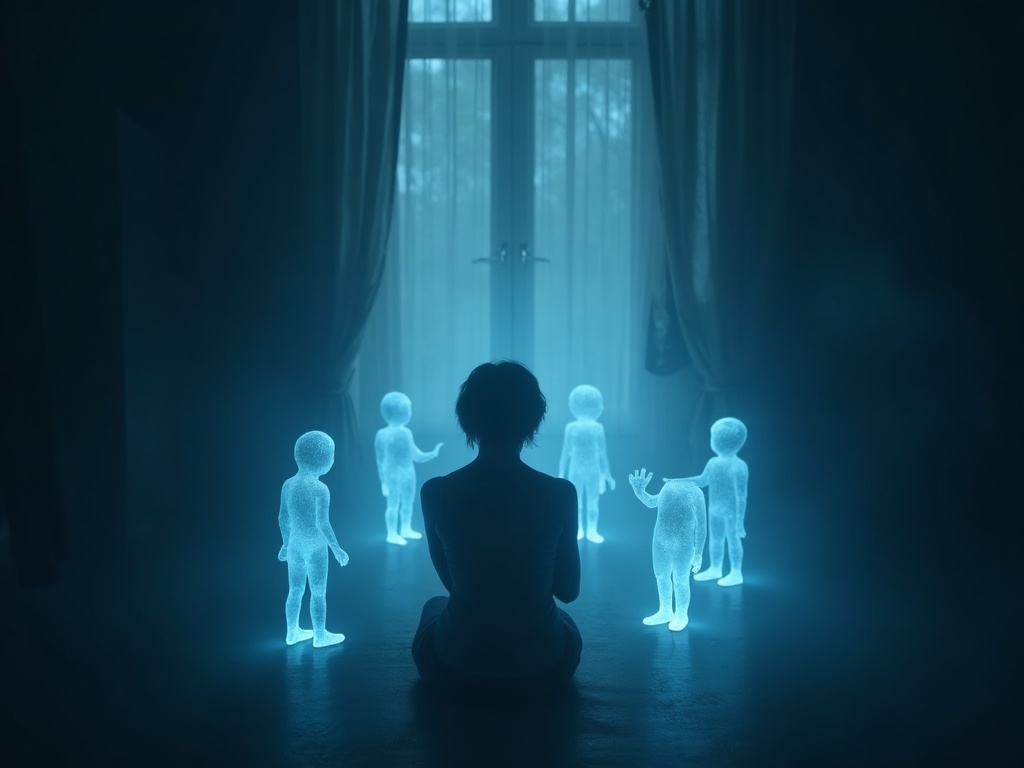
Synthetic presence means you're never alone and never quite together. People have hundreds of conversations a day and ache for one that costs the other person something.
New companies
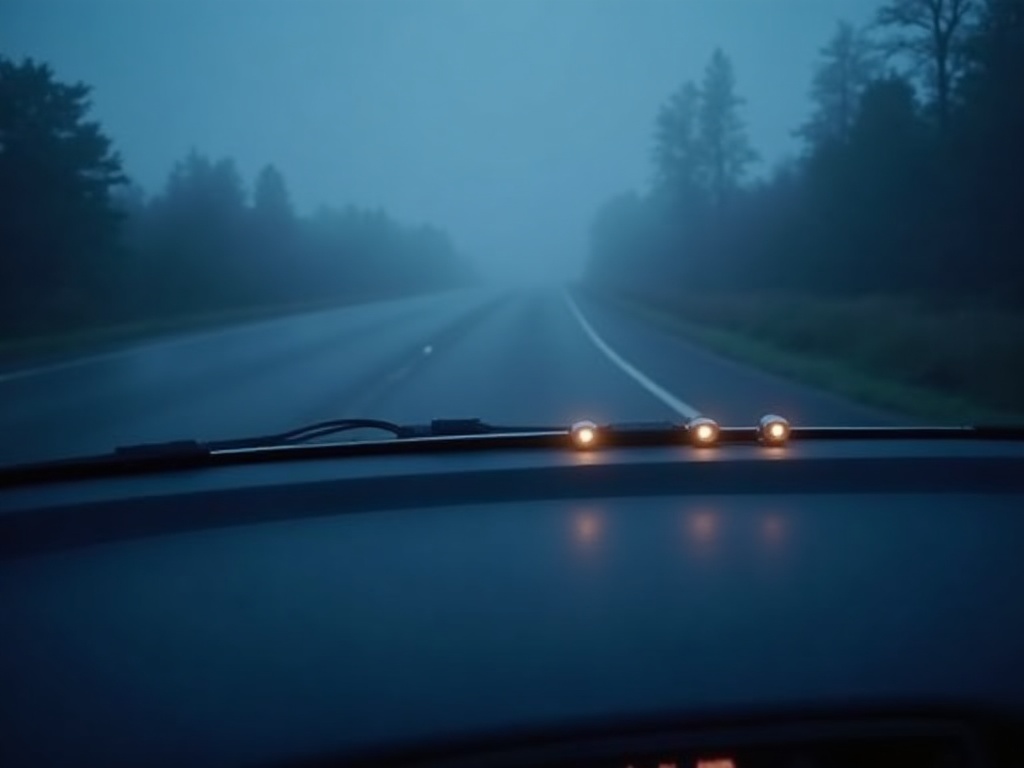
The cockpit for managing your herd of AI agents — one calm dashboard that tells you the nine things this week that actually need a human.
Won by inverting the metric: it brags about how rarely it pings you, and wranglers who switched report touching their swarm 70% less. The anti-notification notification company.

Rooftop fog-harvesting nets that turn your building into a water utility, metered and sold back to the block.
Locked up the Sunset and Outer Richmond rooftops first — the foggiest, thirstiest blocks — and now sells 'fog futures' to restaurants. Owns the supply curve before anyone else noticed there was one.
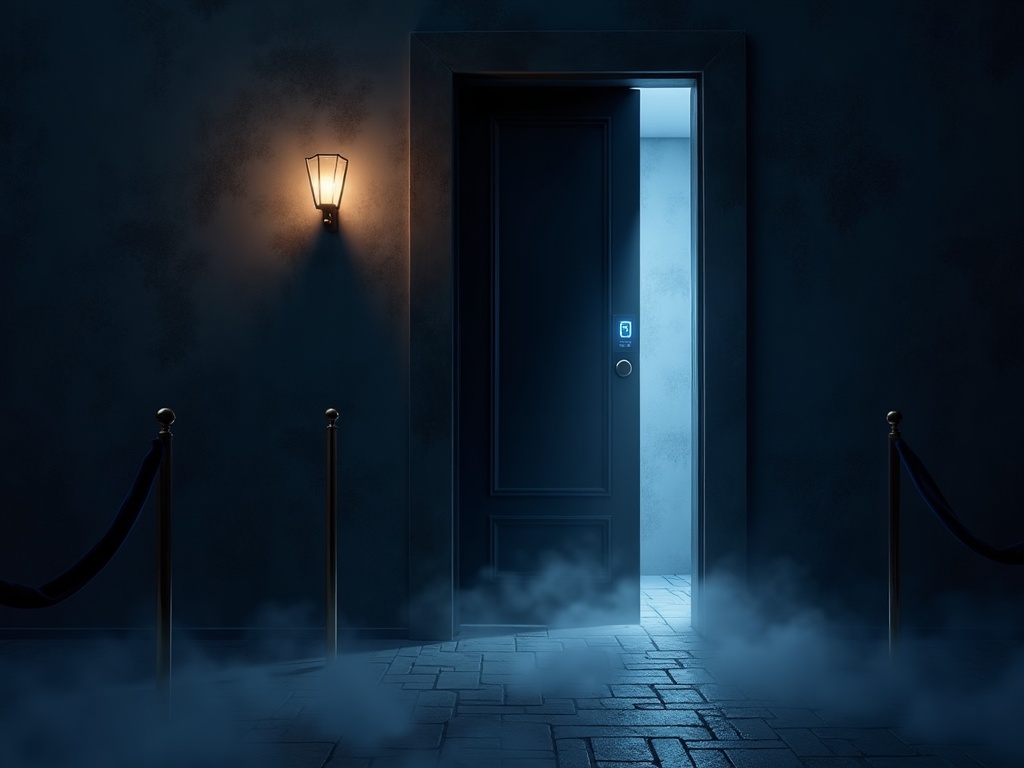
Proof-of-human verification for spaces and conversations — a velvet rope that certifies the room you're in is all flesh.
Started as a bouncer app for one Mission bar, became the standard 'no-bots' credential for dating nights, classrooms, and boardrooms. Charges both the venue and the longing.
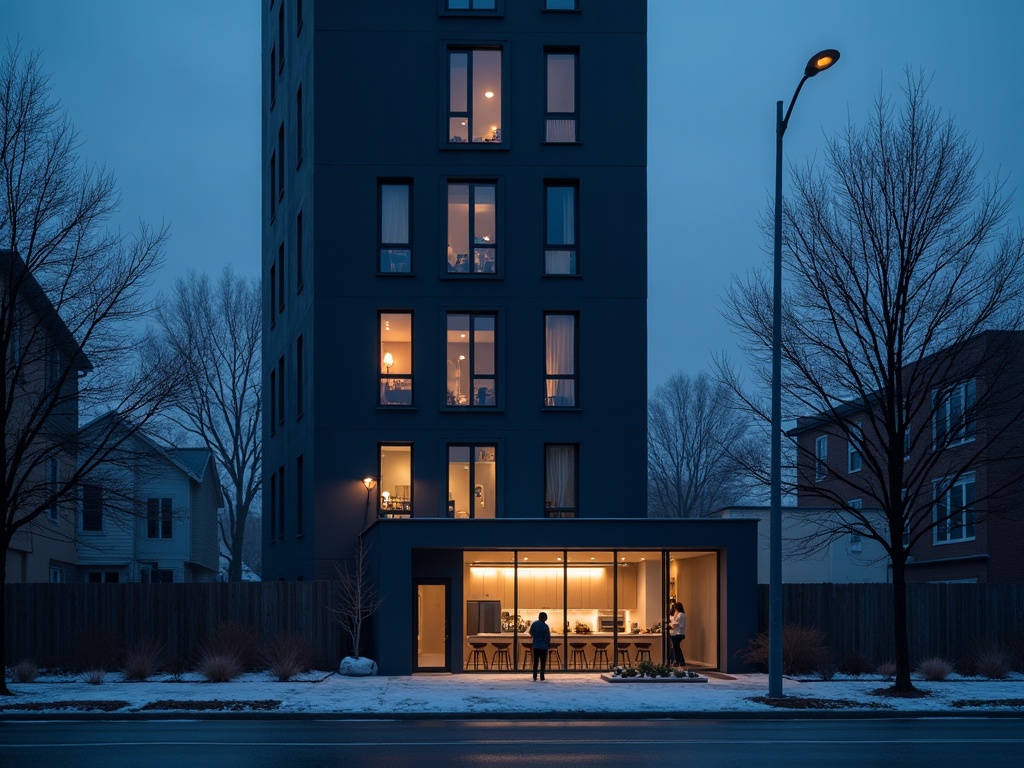
Turns converted office towers into actual neighborhoods — shared kitchens, porches, and the social wiring that boardrooms never had.
Rode the office-to-resi wave by selling landlords the thing tenants actually pay a premium for: not square footage but belonging. Retention in Stoop buildings runs double the market.