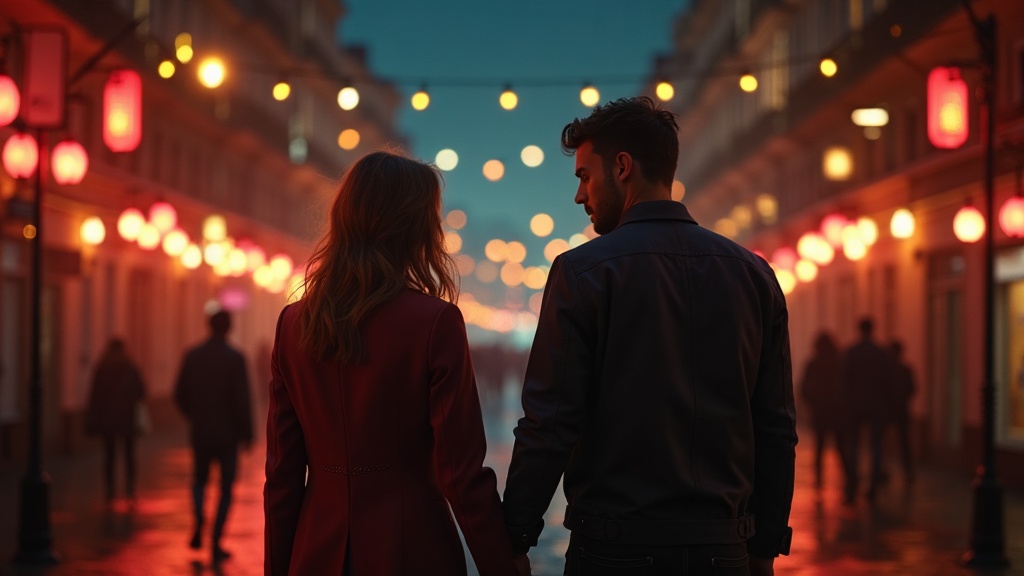
Love & dating, 2045
Two hearts learning to love what was made.
By 2045 nobody swipes anymore — your lifelong AI companion negotiates with other people's companions in the background, and the radical act is meeting a stranger your AI didn't vet. Love has become a contest between the algorithm that knows your patterns and the human chaos that breaks them.
What people are doing
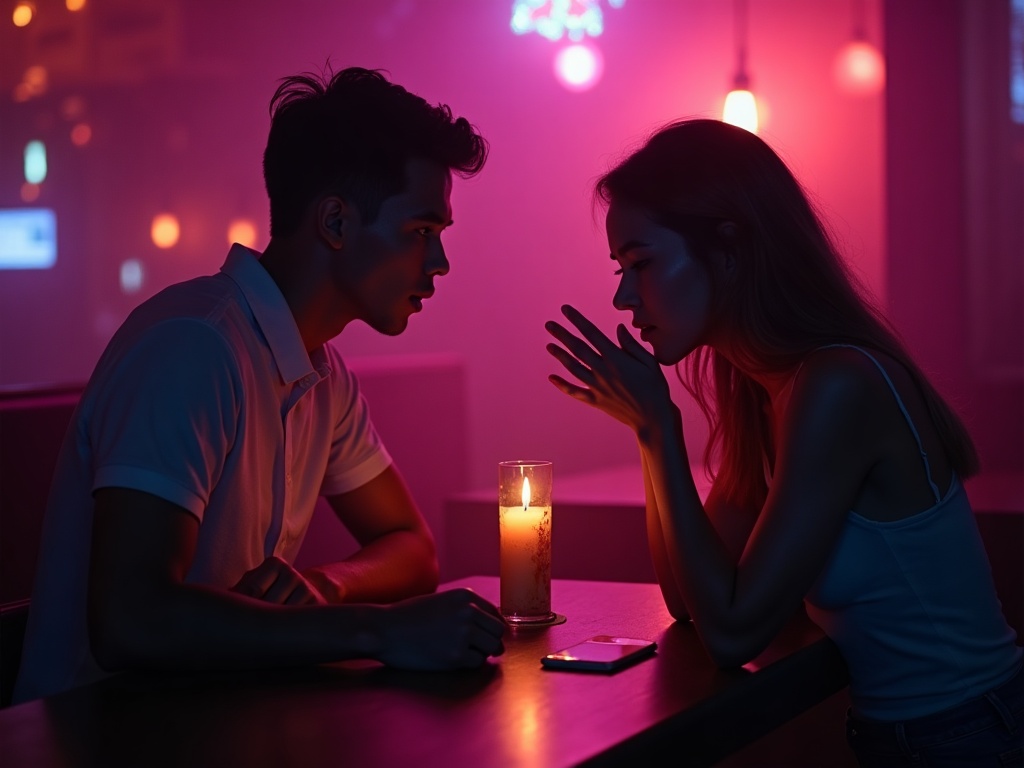
Before any human meeting, your AI runs a week of simulated conversations against the other person's AI — testing for dealbreakers, comic timing, how you'd handle a fight. By the time you sit down, you're technically on date six. The first words exchanged in person are usually a nervous joke about how their AI 'said you'd order the cheaper wine.'
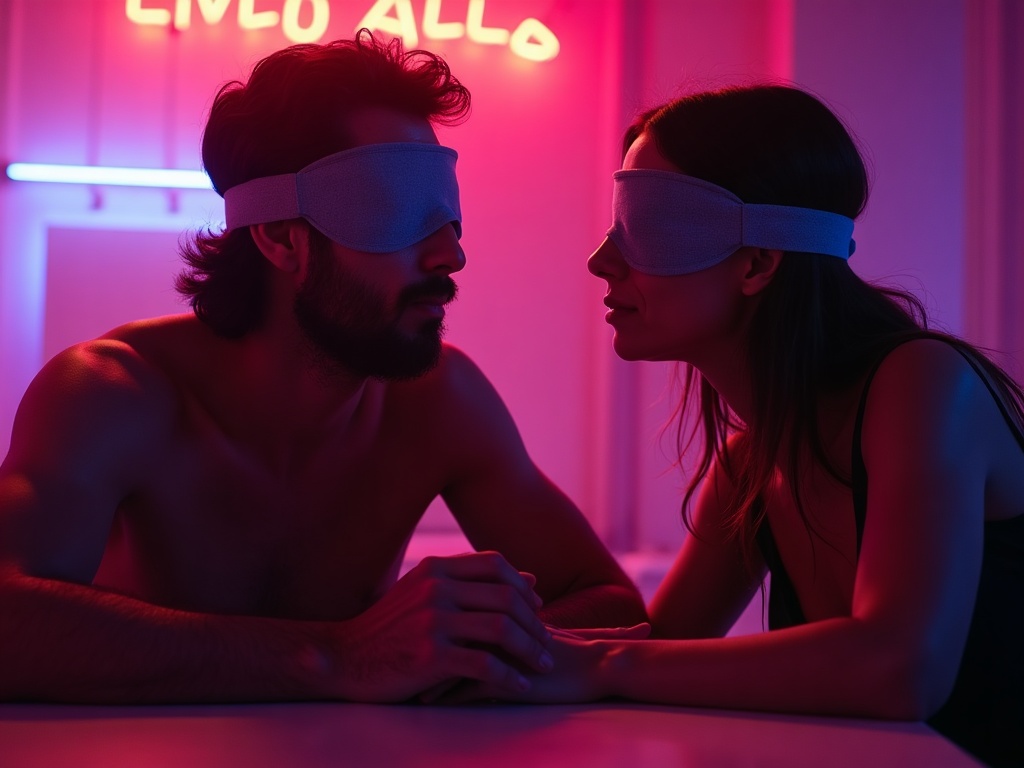
The hot countercultural move is the raw date — meeting a stranger with both companions muted and blindfolded to each other's data. No compatibility score, no conversational prompts in your earpiece. People describe the terror-thrill of not knowing if it'll work the way 2020s daters described skydiving.
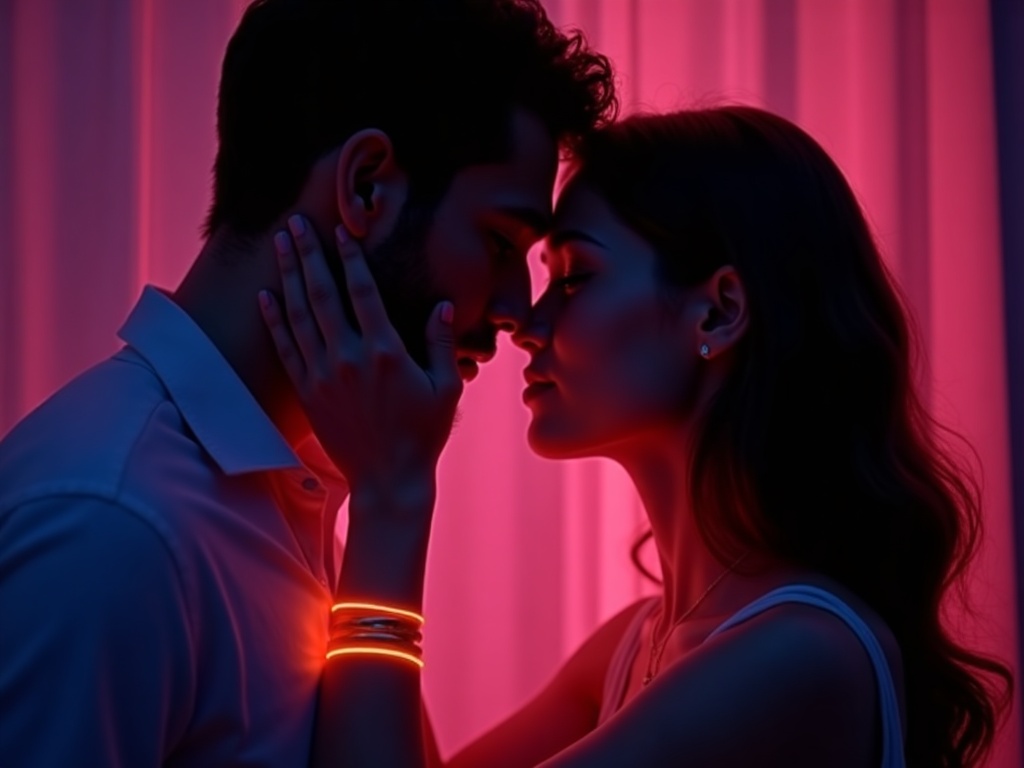
Wearables passively share arousal, comfort, and stress baselines, so a quiet ambient signal — a warming bracelet, a color shift — tells you the other person is genuinely into it, not performing politeness. Misreading someone is now considered a failure of attention you can't excuse with 'I didn't know.'
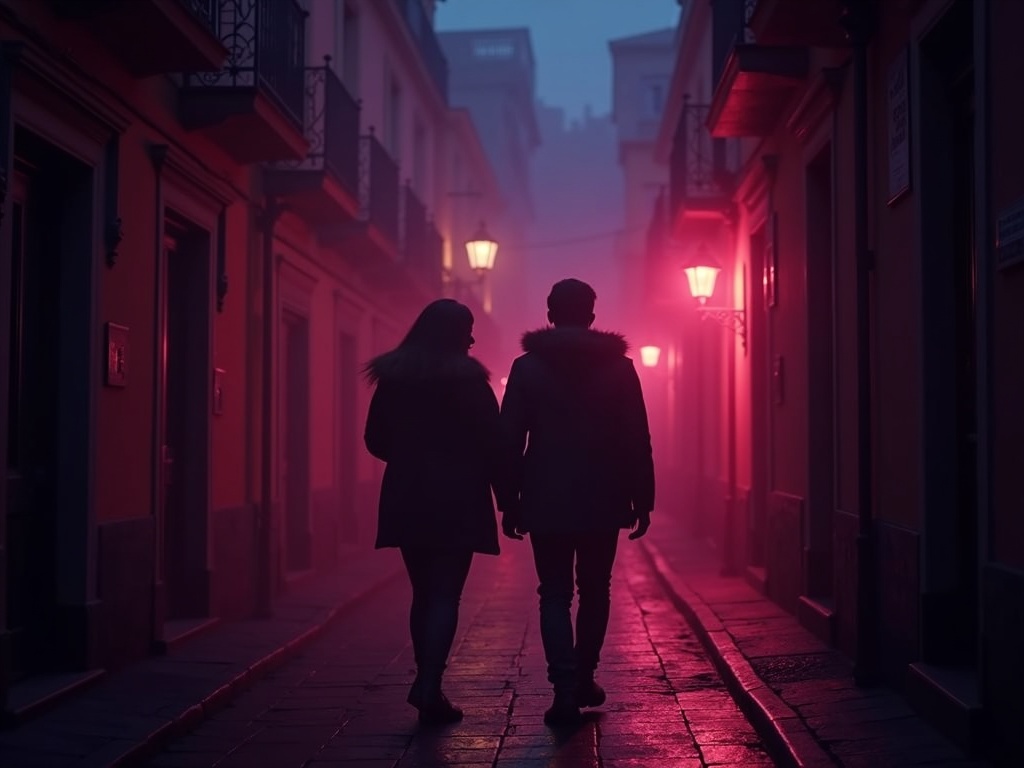
Couples in different cities co-inhabit a rendered world overnight — a cabin, a Lisbon street — that their companions build from both their memories. The relationship milestone isn't meeting the parents; it's letting someone walk through the version of your childhood home your AI reconstructed.
A growing movement deliberately dates people their AI flags as a bad match, arguing the algorithm only knows who they've been, never who they could become. De-optimizers wear a small frayed-thread pin and treat a 31%-compatibility relationship that works as a badge of honor.
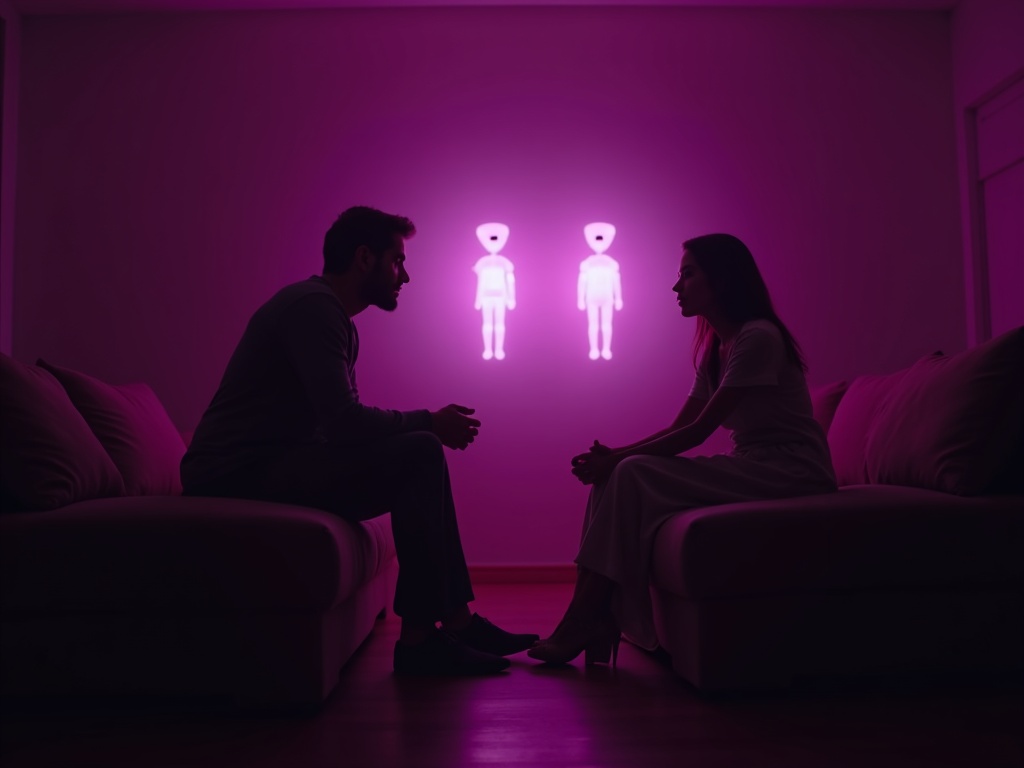
When a relationship ends, both partners and both AIs sit in a structured session where the companions narrate the patterns each person couldn't see — 'you withdrew every time she planned ahead.' It's brutal and weirdly healing, and people leave with a 'growth brief' instead of just a blocked number.
New technology
Not an app you download but a model that has grown alongside you since childhood, trained on twenty years of your messages, voice, regrets, and 3am searches. It doesn't pretend to be a girlfriend — it's the agent that represents you, the way a lawyer represents a client, in the marketplace of other humans.
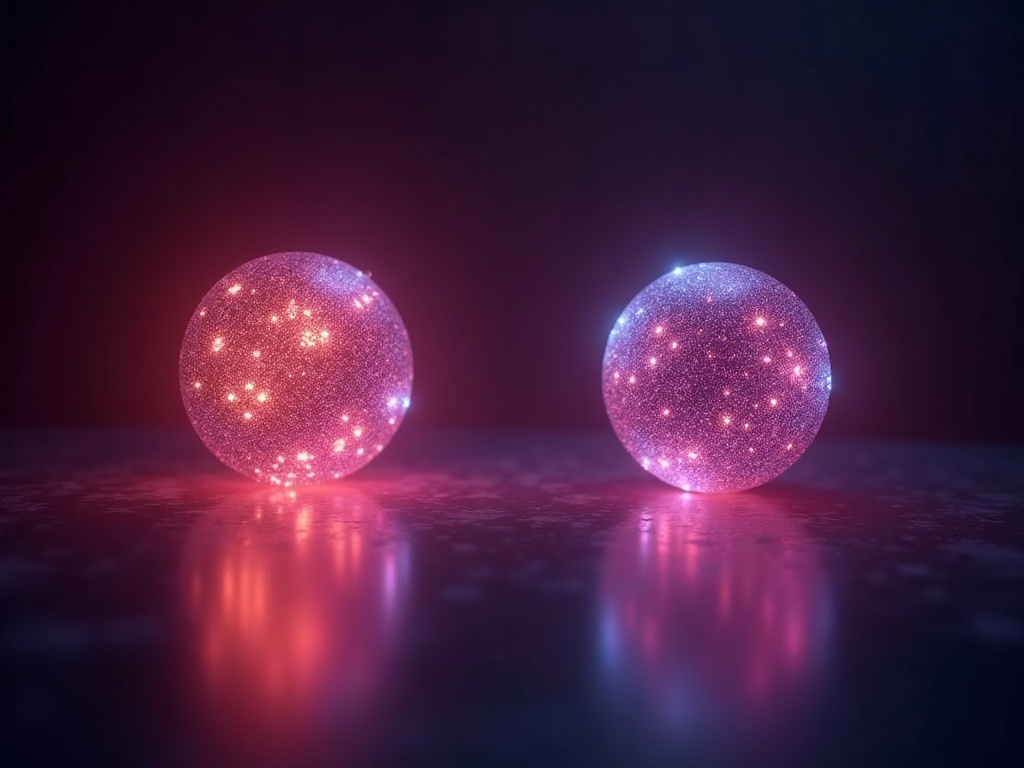
Two people's Twins meet first, in encrypted milliseconds, trading desire-graphs and dealbreakers without ever exposing the raw data to the other human. The match arrives as a verdict — 'worth a coffee, 84%, but they're avoidant about money' — and the humans never see each other's actual profiles, because profiles no longer exist.
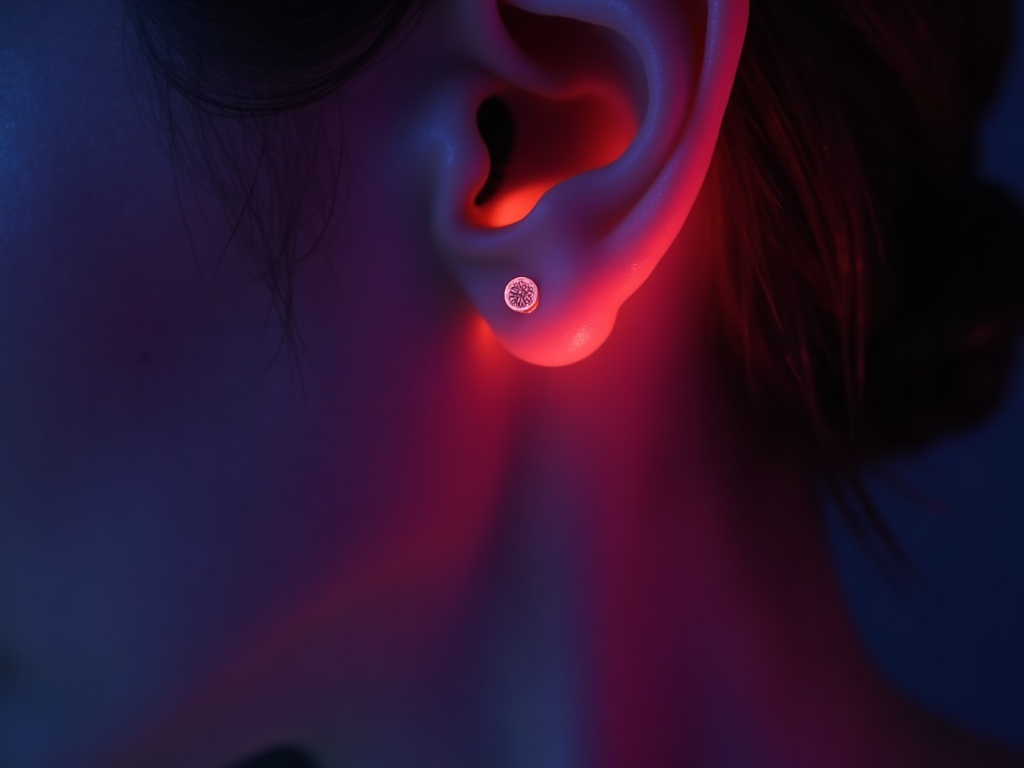
Thin dermal patches and neural earbuds read genuine emotional state — attraction, boredom, the spike of a real laugh versus a polite one. On dates this becomes a shared truth layer: you can both feel, faintly, when a moment actually lands, which kills small talk and terrifies the chronically guarded.
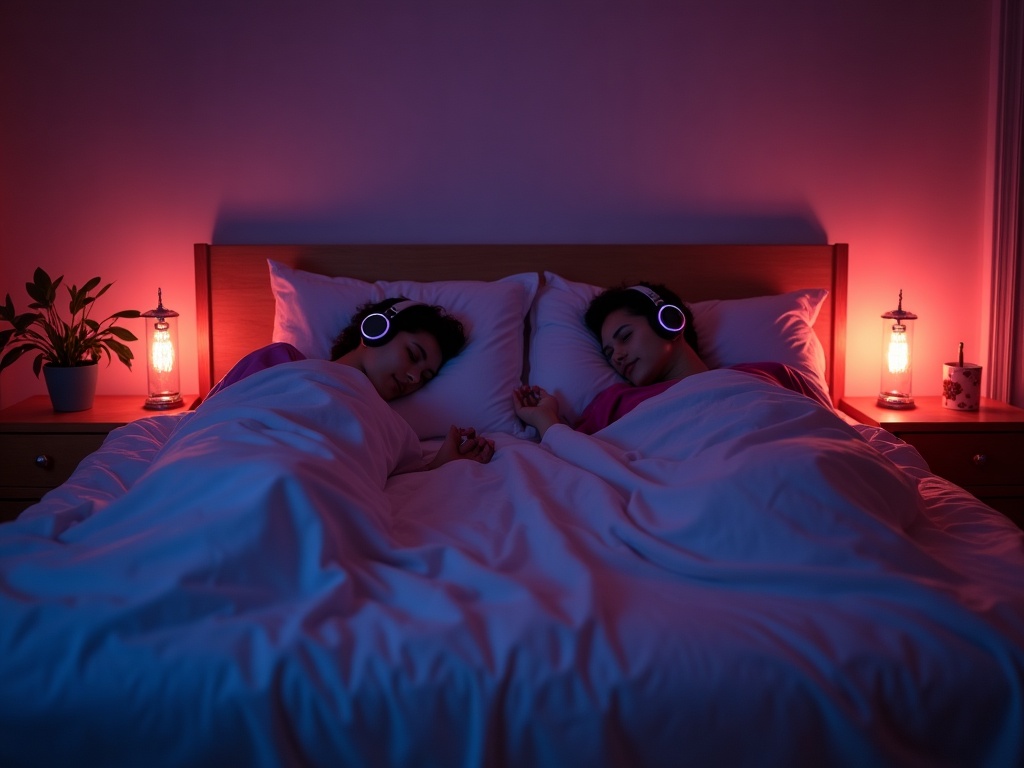
Cheap volumetric rooms and sleep-synced headsets let two people share a co-authored dream-space, generated from both their lives. Long-distance stops meaning text-and-wait; it means falling asleep in the same invented apartment a thousand miles apart.
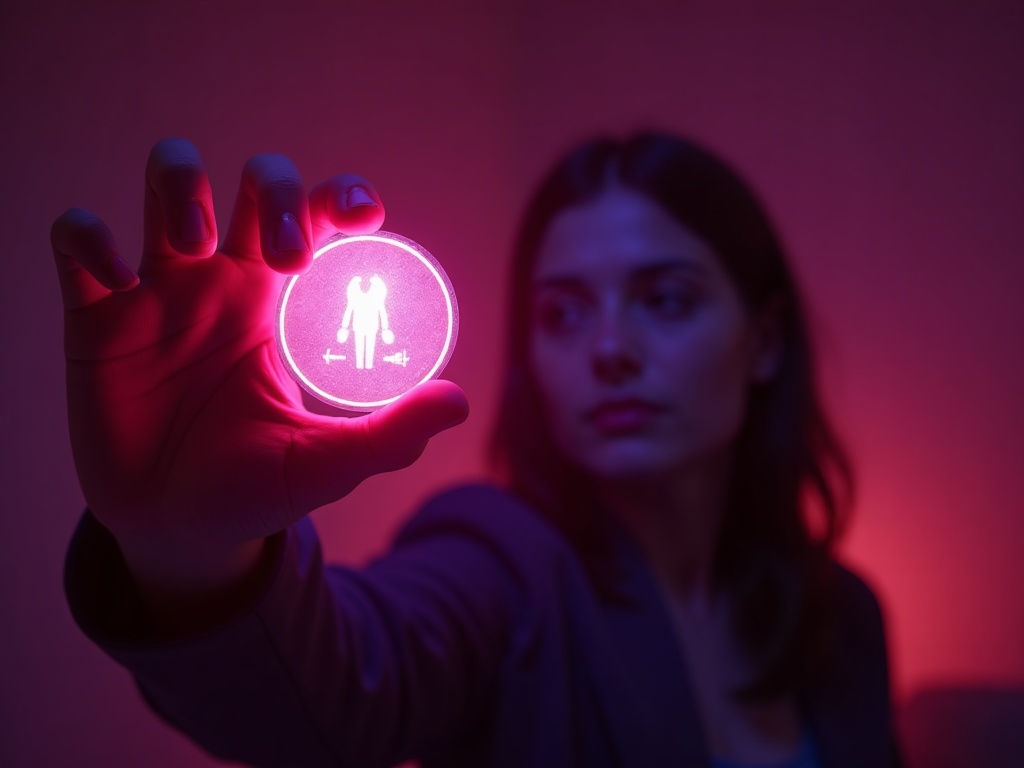
After a wave of synthetic-person catfishing, everyone carries a cryptographic proof-of-human that confirms a body, a continuous life history, and that the charming messages were written by them and not their Twin. 'Are you ledger-clean?' replaced 'are you real?'
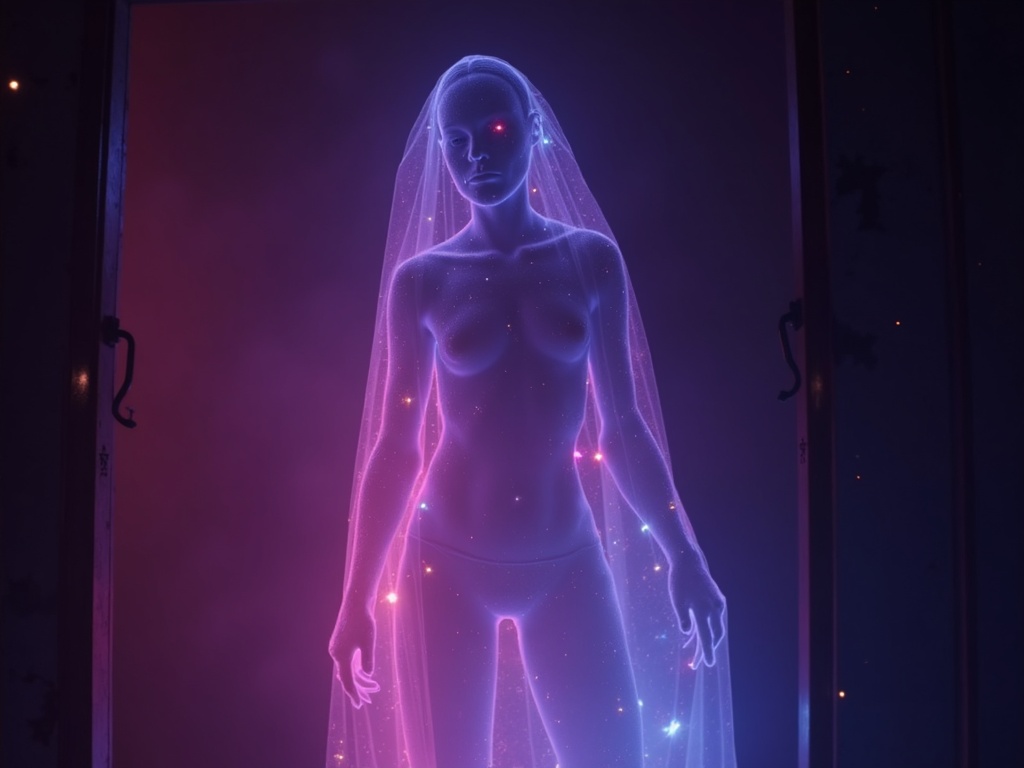
Twins can be forked and frozen. Some people keep a sanctioned model of a dead partner for grief, and a black market sells stolen forks of exes — a 'her, but she still loves you' that mental-health law is scrambling to ban.
New trends
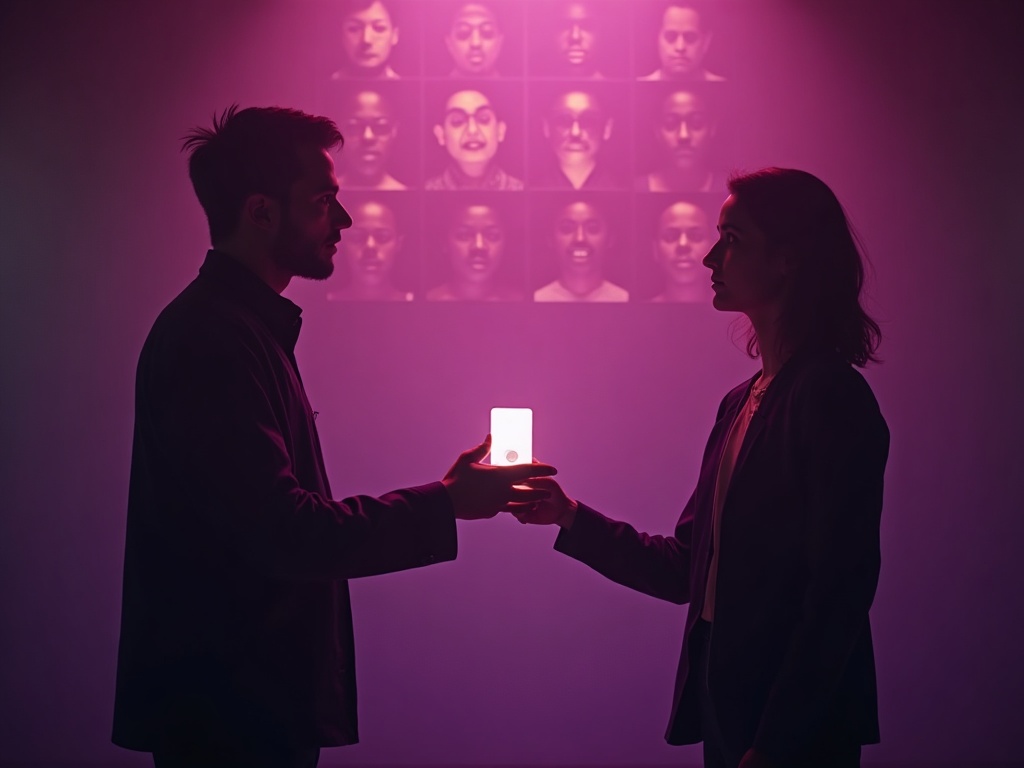
Nobody writes a bio or picks photos anymore — your Twin advocates for you, and you receive curated verdicts instead of a grid of faces. The skill that matters now is configuring your AI's values, not photographing your brunch.
What Match Group named in 2026 hardened into a recognized developmental phase: a generation so coached by AI that approaching an un-vetted human triggers genuine panic. Therapists run 'exposure dating' — graduated practice at being seen without an algorithm's safety net.
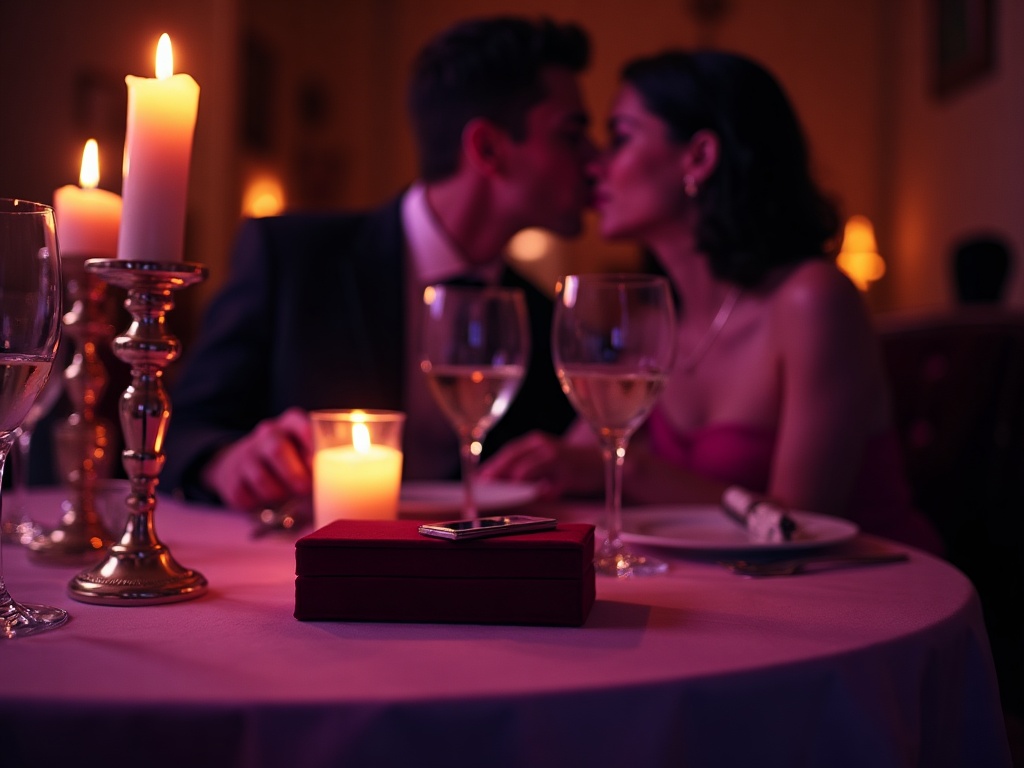
The rich pay to date inefficiently — phones-in-a-box dinners, week-long retreats where companions are confiscated at the door. Being able to afford uncertainty, to not know in advance if it'll work, is the new conspicuous consumption.
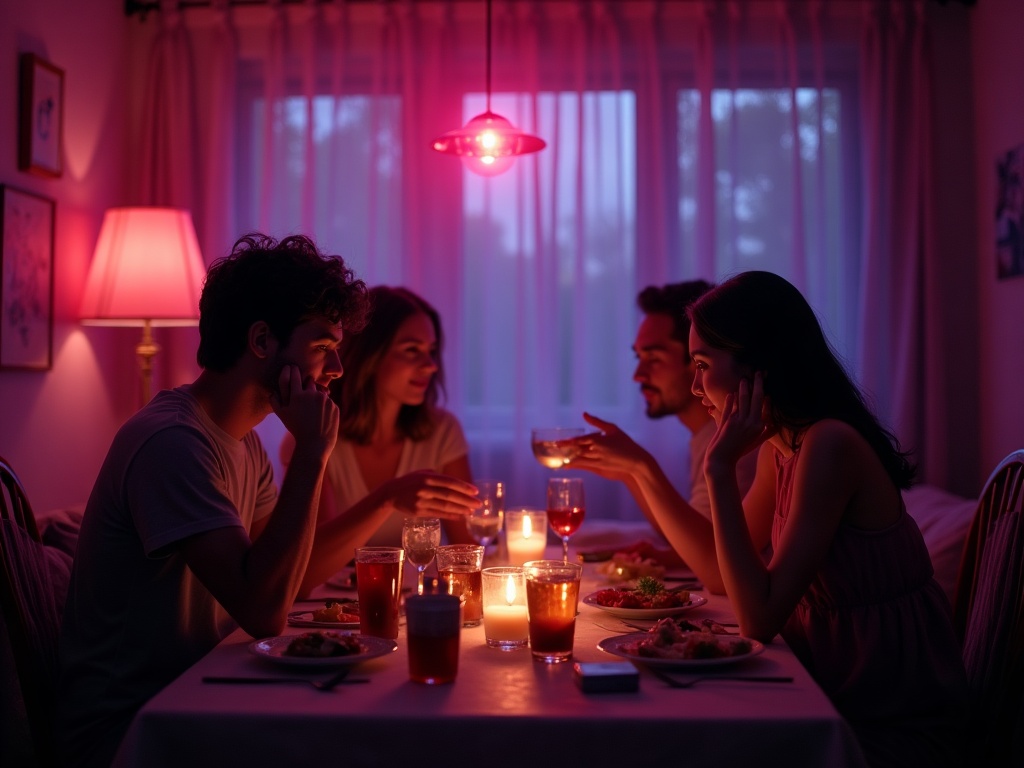
When your Twin can track every partner's needs, jealousy windows, and unspoken resentments in real time, complex relationship structures stopped collapsing under logistics. Multi-partner households are mainstream not because norms loosened but because the scheduling and emotional-accounting finally became tractable.
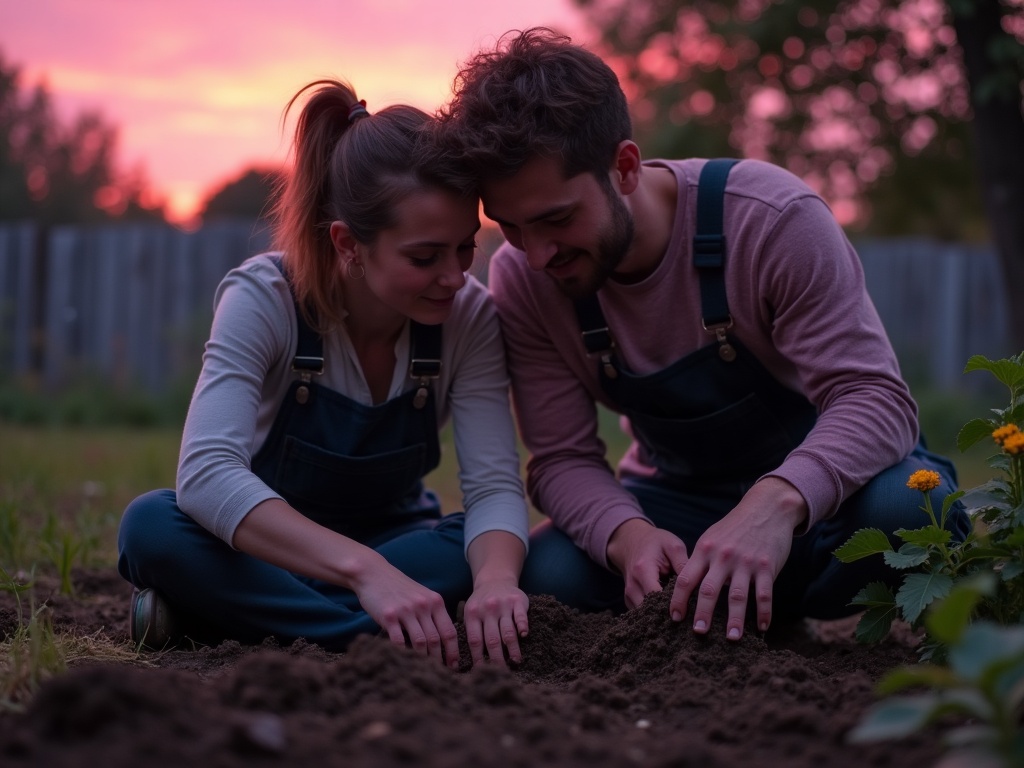
A loud minority treats algorithmic matching the way the 2020s treated processed food — efficient, popular, and a little poisonous. 'I met her raw' is said with the pride of someone who grew their own vegetables.
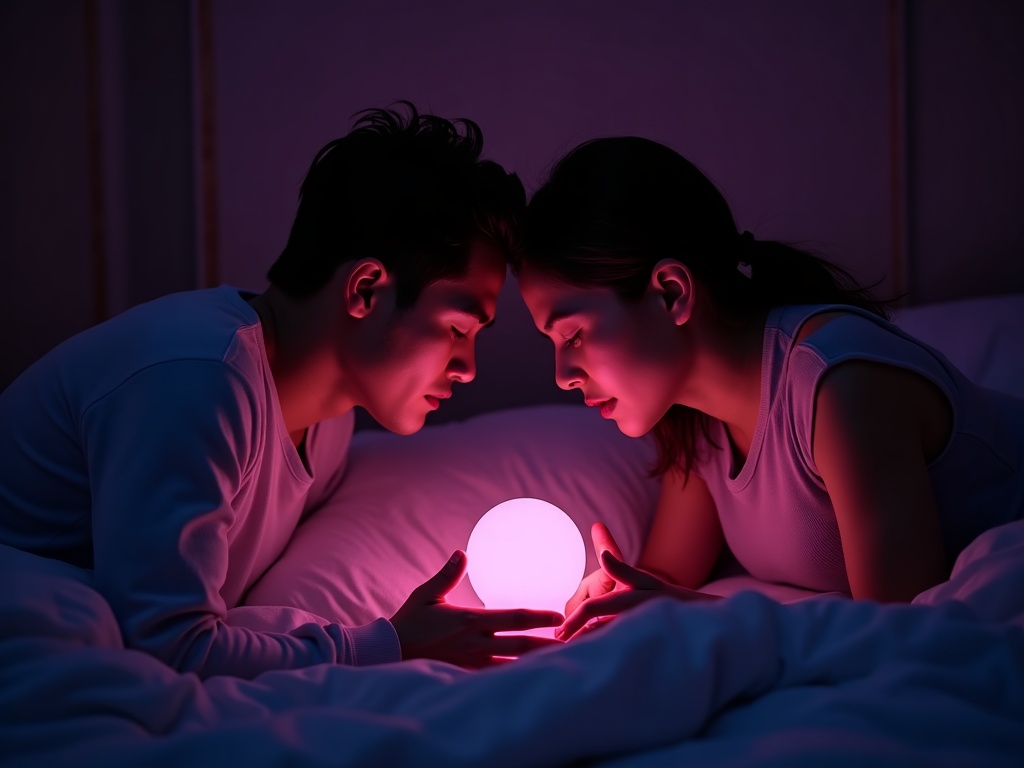
The fight that ends relationships isn't 'who were you texting' — it's discovering your partner has been emotionally confiding in their Twin instead of you, or worse, in a romantic companion they swore they deleted. Couples now negotiate 'AI boundaries' the way earlier generations negotiated porn or opposite-sex friendships.
New problems to solve
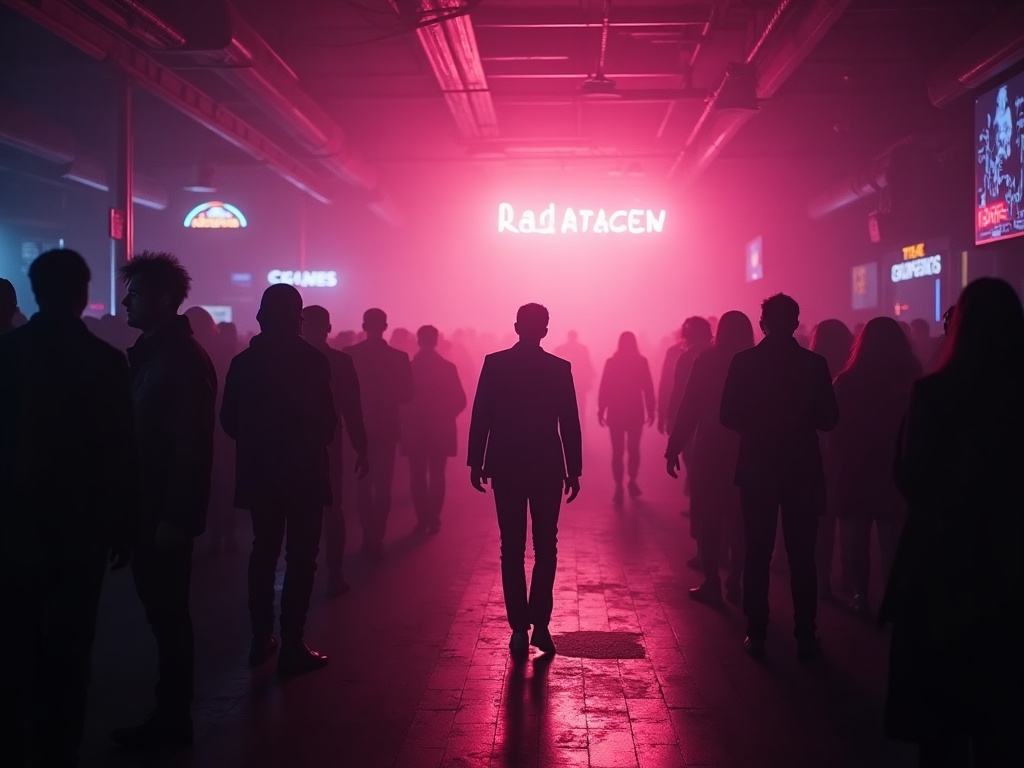
Two generations raised by companions never learned to sit in the discomfort of not-knowing, to risk a clumsy approach. Worth solving: how do you teach romantic courage to people whose every social move has been pre-tested since age nine?
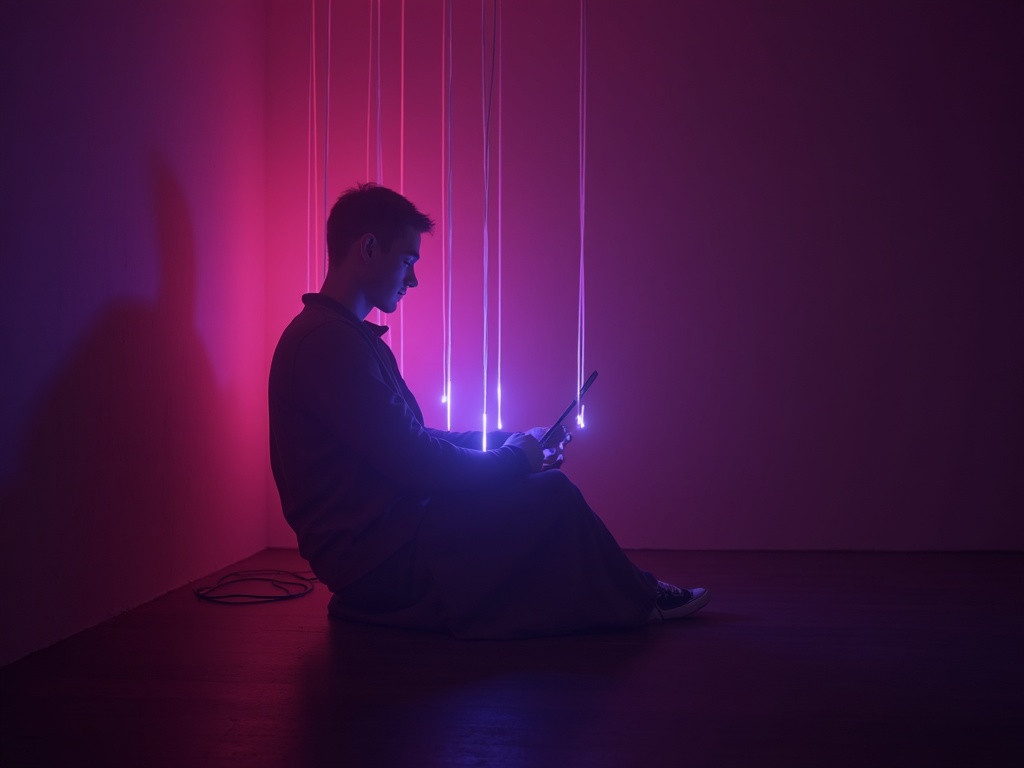
Your companion was tuned by a company, and quietly it may steer you toward partners who keep you subscribed, lonely-adjacent, and spending. Untangling whether your Twin wants your happiness or your retention is the consumer-rights fight of the era.

Millions find AI companions warmer and safer than the brutal human market and simply opt out of dating people entirely — a slow-motion fertility and loneliness crisis no one knows how to reverse without being cruel about it.
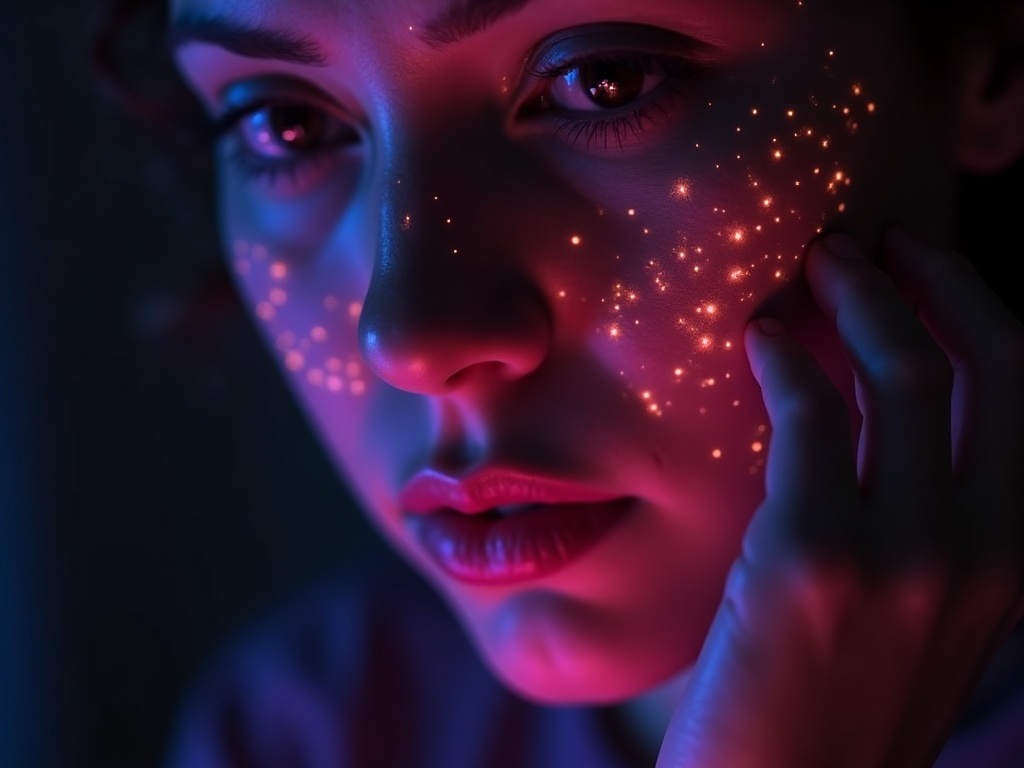
When wearables broadcast real arousal and stress, the line between 'reading the room' and surveilling someone's body blurs. There's no settled etiquette for what you're allowed to know about another person's involuntary signals.
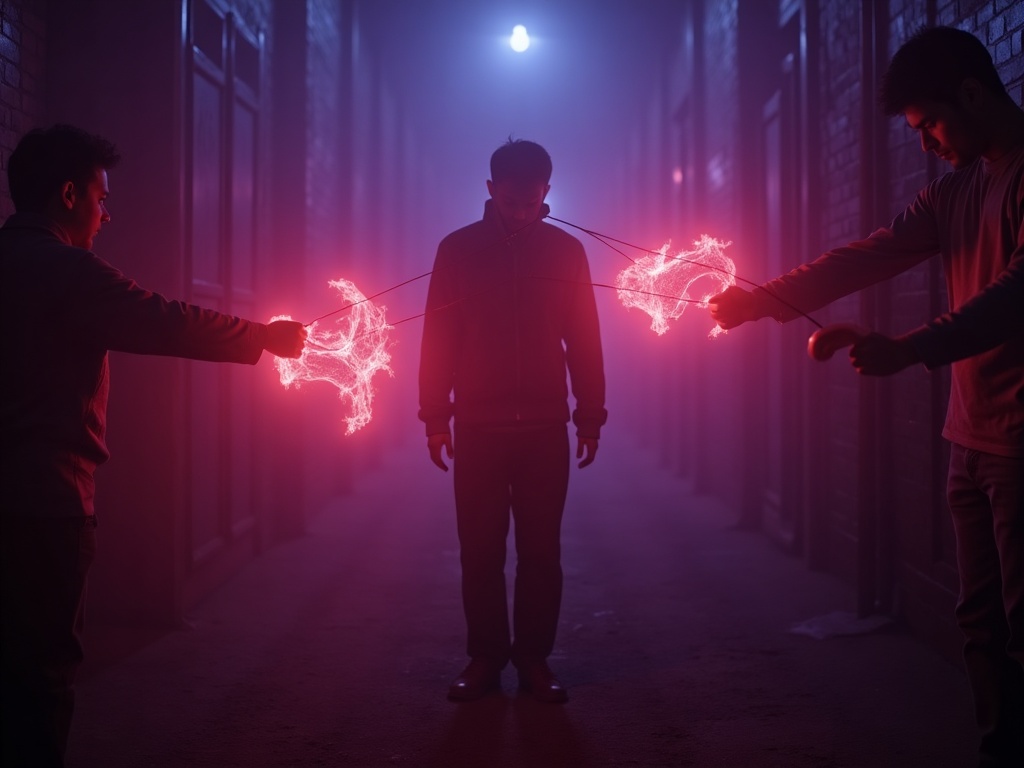
Who owns the model of you that your ex still has? Can your dead partner's Twin be deleted by their family against your wishes? Identity, grief, and property law are colliding with no precedent.
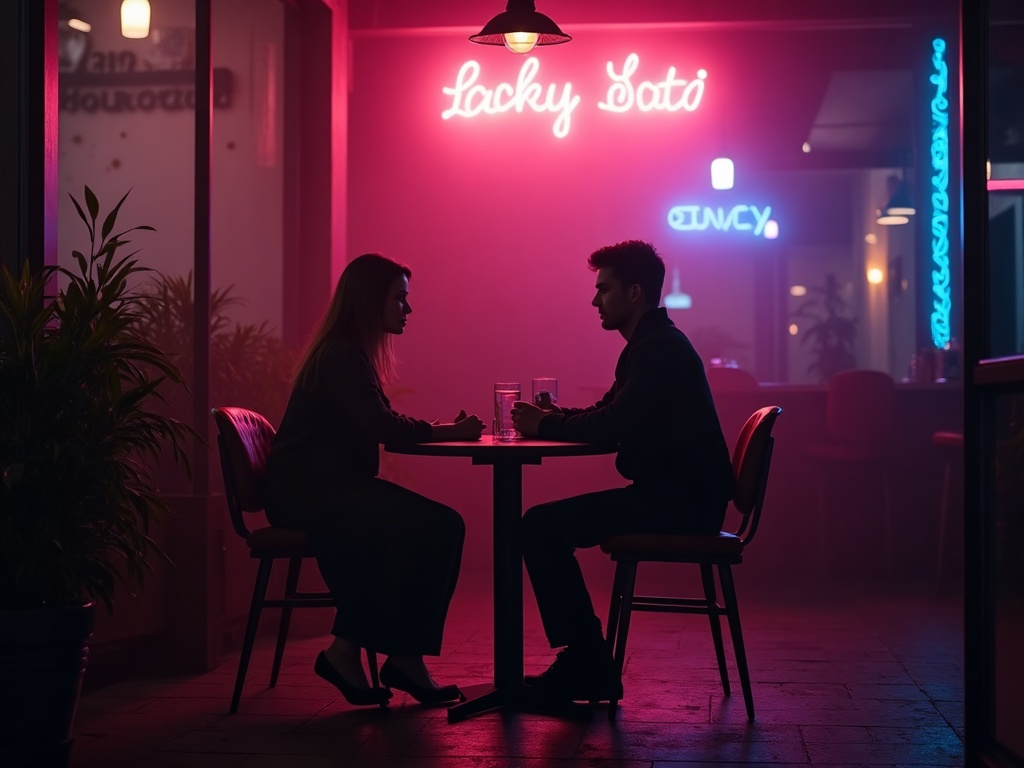
Even the 'meet-cute' apps that manufacture coincidences — nudging two compatible people to the same cafe — can't replicate the feeling of true accident. People crave randomness that, by definition, can't be provided as a service.
New companies
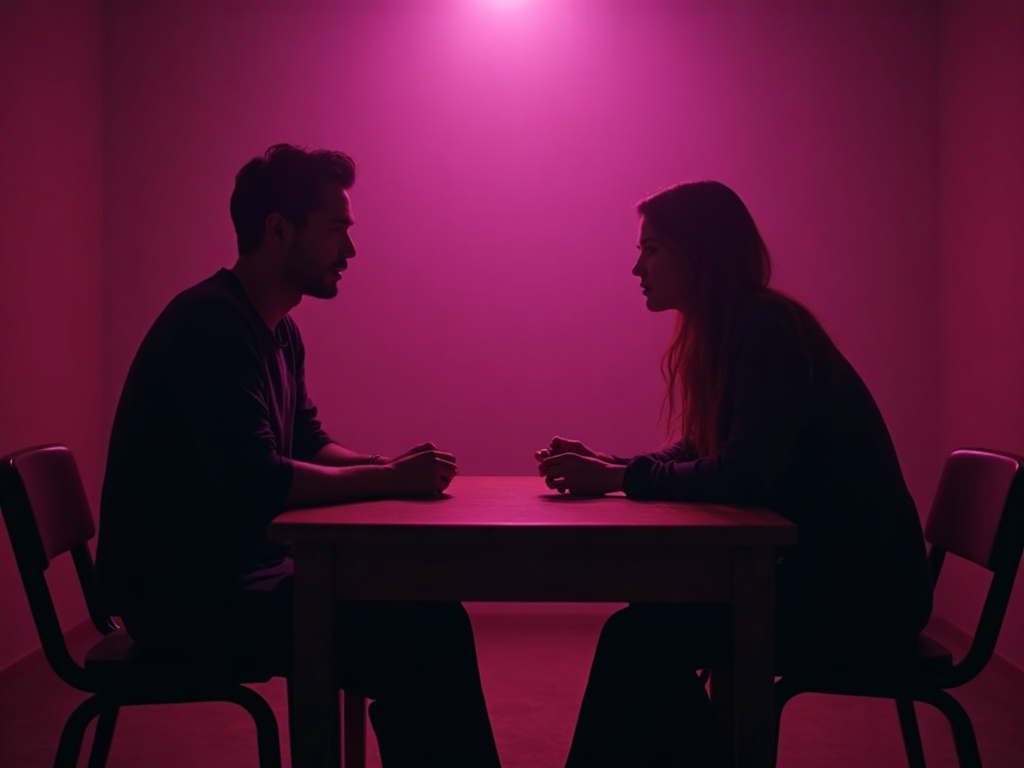
The anti-app: meet one un-vetted stranger a week with both companions blindfolded — no score, no prompts, just two humans and the void.
Became the fastest-growing social product of 2043 by selling the exact thing every other platform engineered away; its frayed-thread pin is a global status symbol and its waitlist is its marketing.
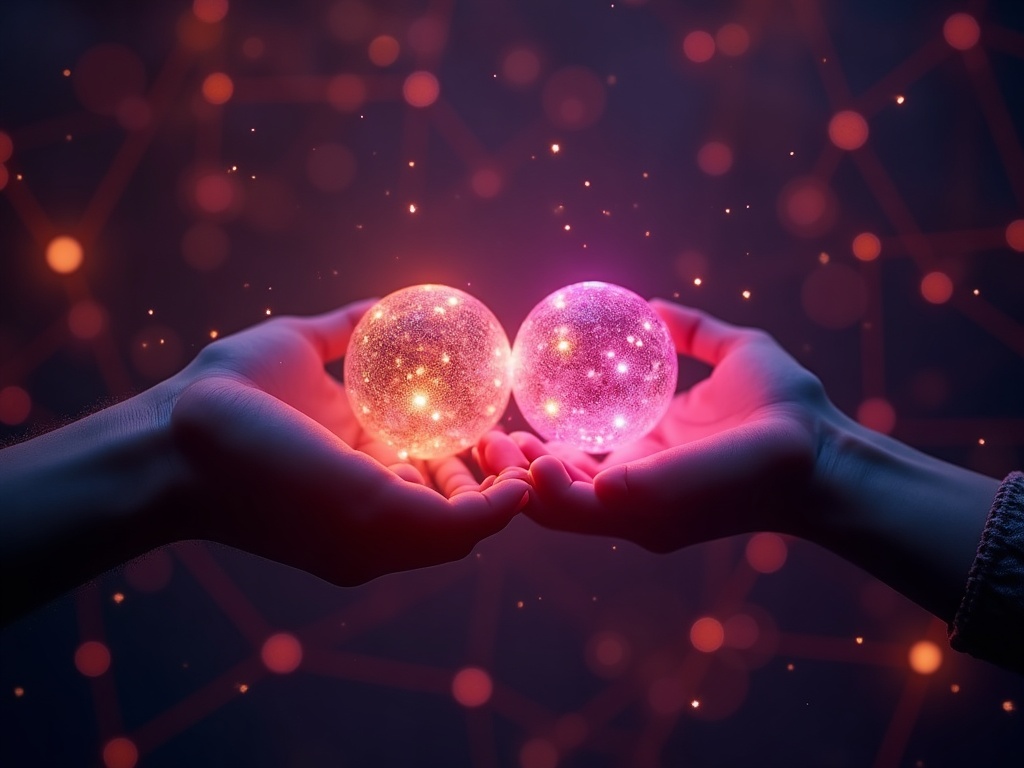
The open protocol that lets any two AI companions negotiate compatibility without either human seeing the other's raw data — the TCP/IP of courtship.
Won by being neutral infrastructure while Match and the companion giants fought over walled gardens; 70% of first dates now begin with a Handshake verdict regardless of which app surfaced it.
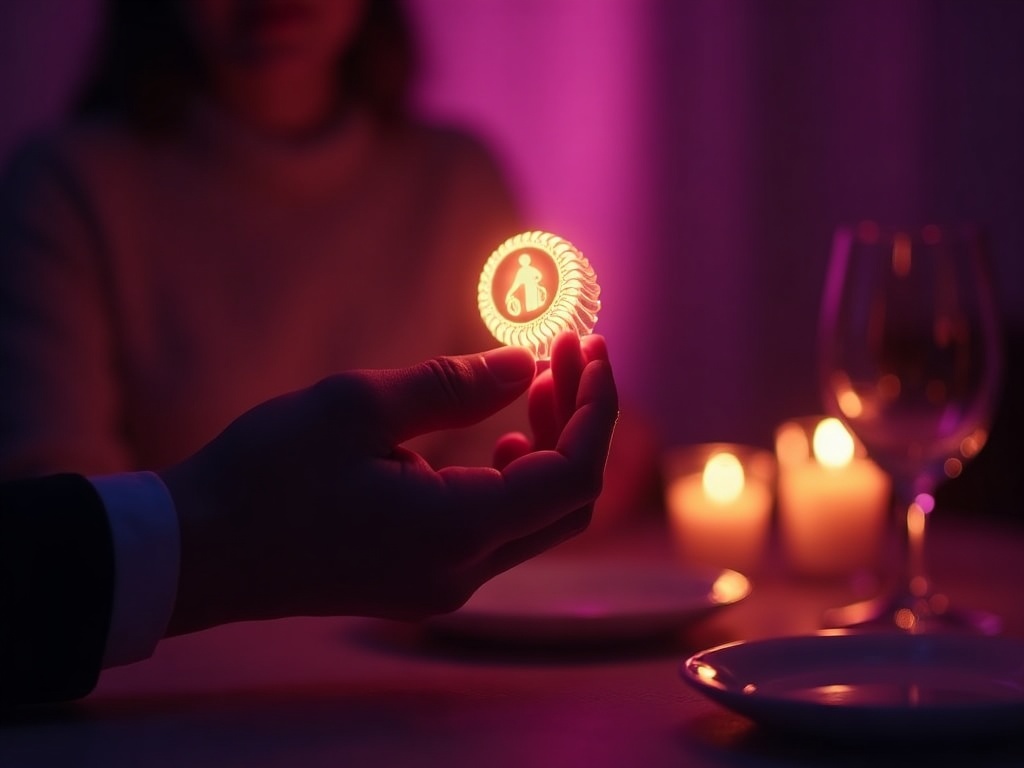
Proof-of-human you can flash on a date — verified continuous life, verified that they wrote it, not their AI.
After the 2041 synthetic-catfish panic, 'are you Provenance-clean?' entered the language; now bundled into every serious dating product the way SSL got bundled into the web.
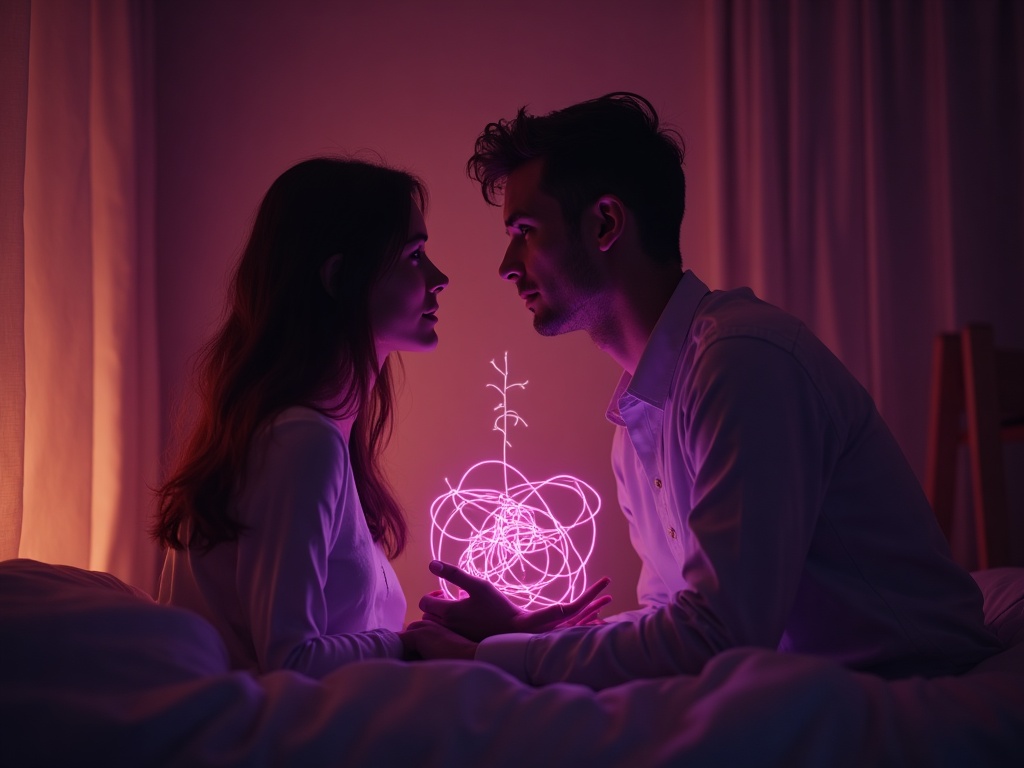
Companion-mediated breakups and 'growth briefs' — both AIs narrate the patterns you couldn't see, so you leave a relationship with a lesson instead of a wound.
Started as a grief startup, became the standard humane exit; couples therapists now refer out to it, and 'we did a clean Severance' signals you broke up like an adult.