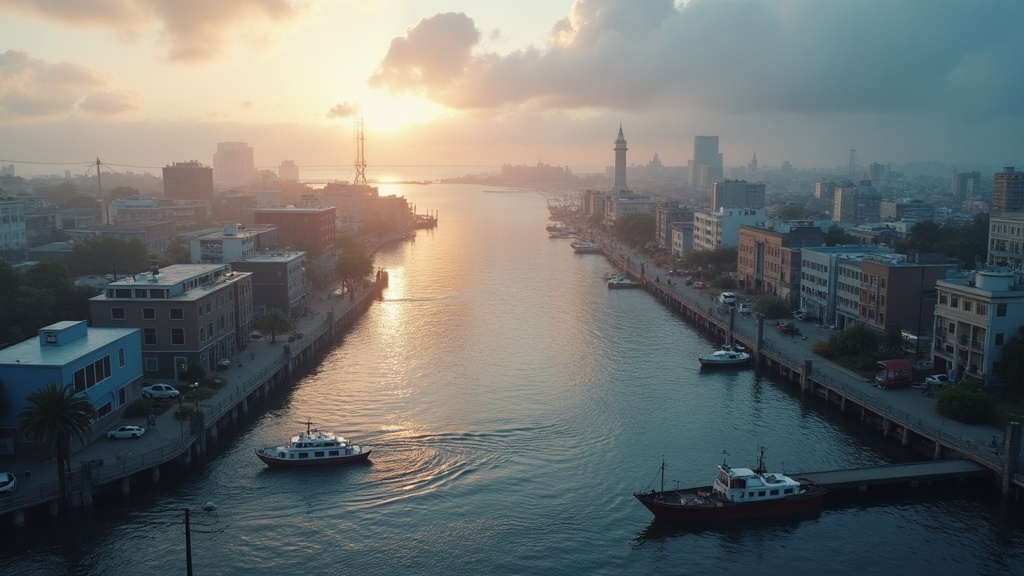
A climate-adapted city, 2050
Dawn breaks over a city that learned to float.
By 2050 the mid-sized coastal city of Harborline (pop. ~340,000) no longer fights the water — it negotiates with it daily, tide by tide. A retreated-and-rebuilt amphibious downtown, a blue-collar ocean economy, and a culture that reads the tide like weather have turned a flood-doomed town into a place people move TO.
What people are doing
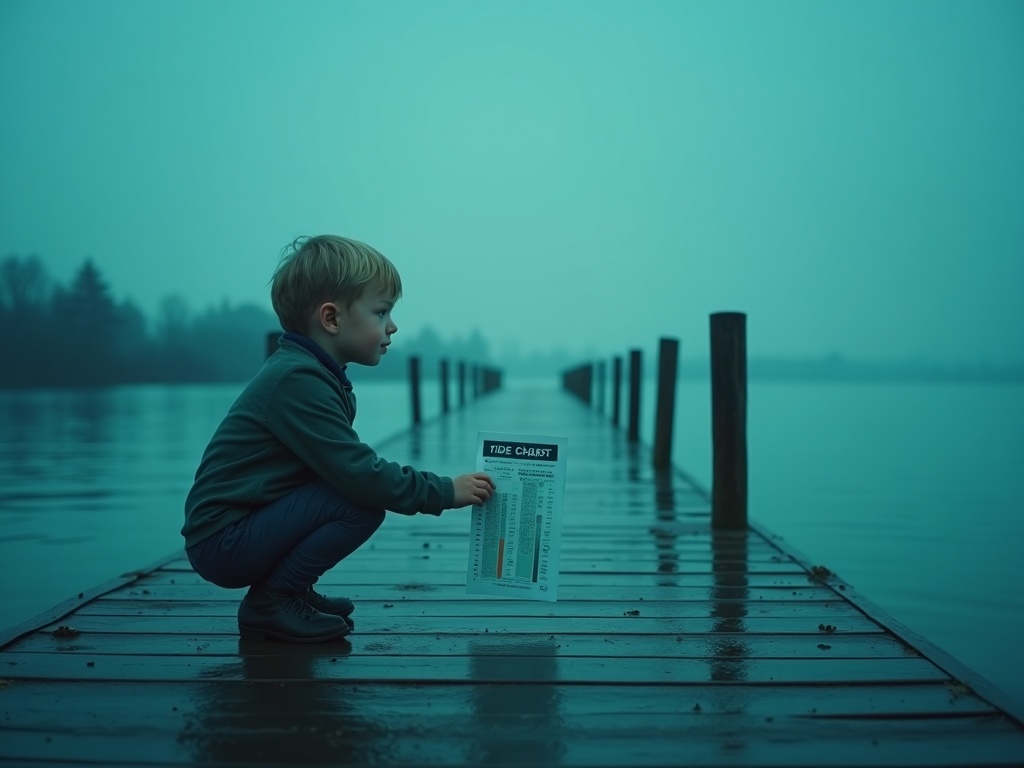
Kids learn to read the daily tide chart before they learn to drive — school start times, soccer practice, and the farmers' market all float on a published 'wet calendar.' Saying 'see you at low tide' is how you make plans, the way an older generation said 'after rush hour.'
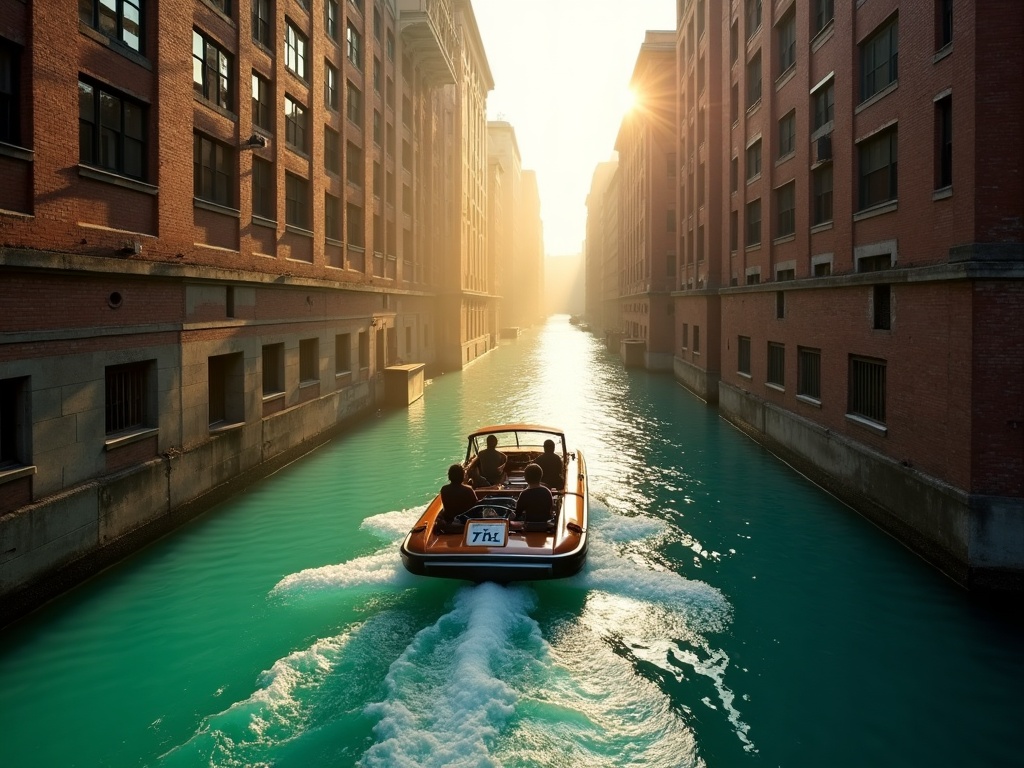
Half of downtown commutes by electric water-taxi along flooded former streets that the city deliberately let go — 'blue avenues.' On king-tide days the whole rhythm slides two hours later and nobody panics; the city just exhales and works the evening shift.
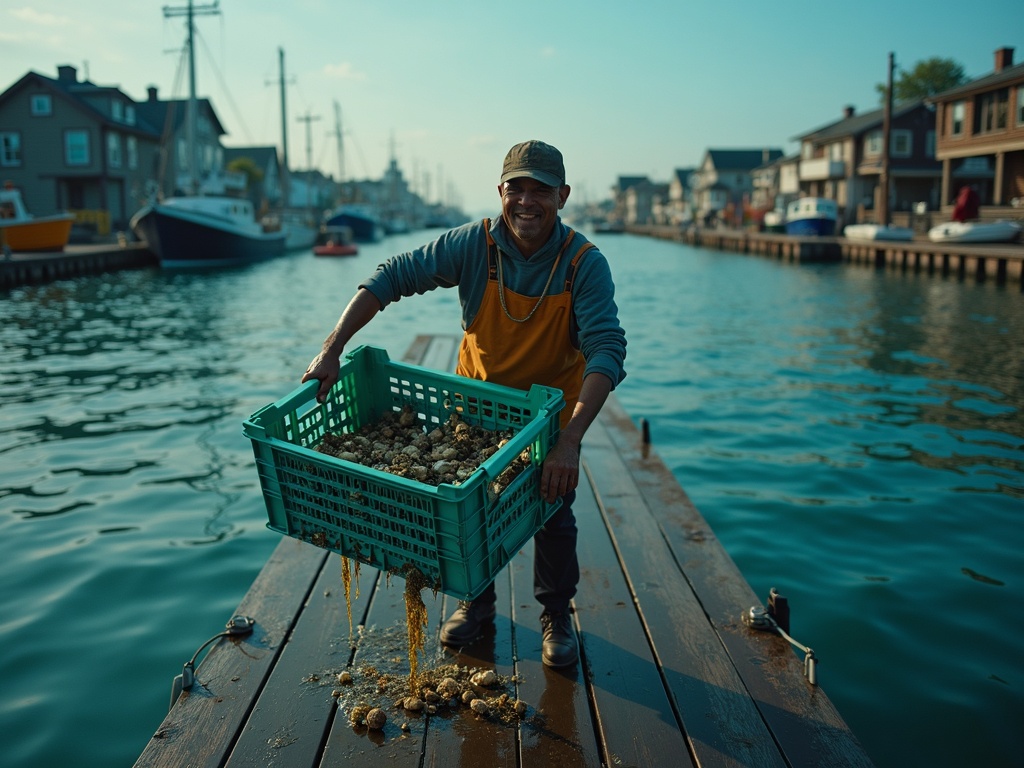
Households 'foster' a crate of reef-building oysters off their dock the way a previous generation kept a lawn — the oysters filter water, buffer storm surge, and earn the household a small cut on their flood-resilience credit. Stoop-front reef crates have replaced flower boxes as the thing you show off.
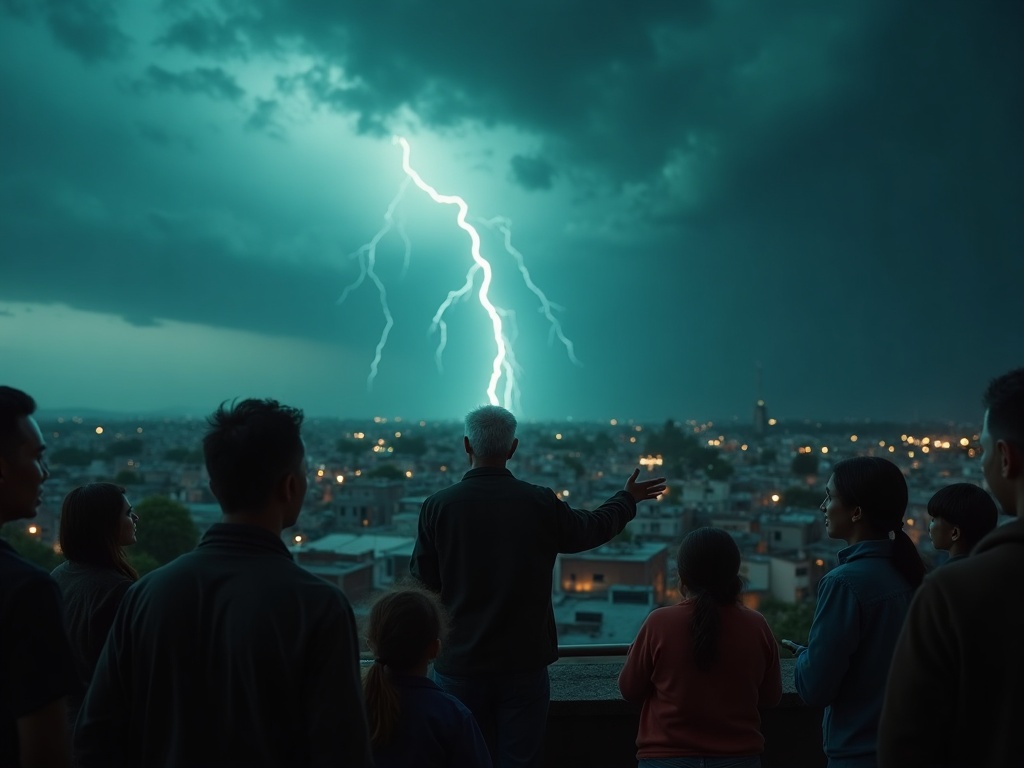
Hurricane prep has become communal theater: neighborhoods compete on 'surge-readiness drills,' and elders who survived the bad floods of the 2030s are local celebrities who narrate the storms live on neighborhood channels. Riding out a Cat-3 in a hardened tower is a bonding ritual, not just survival.
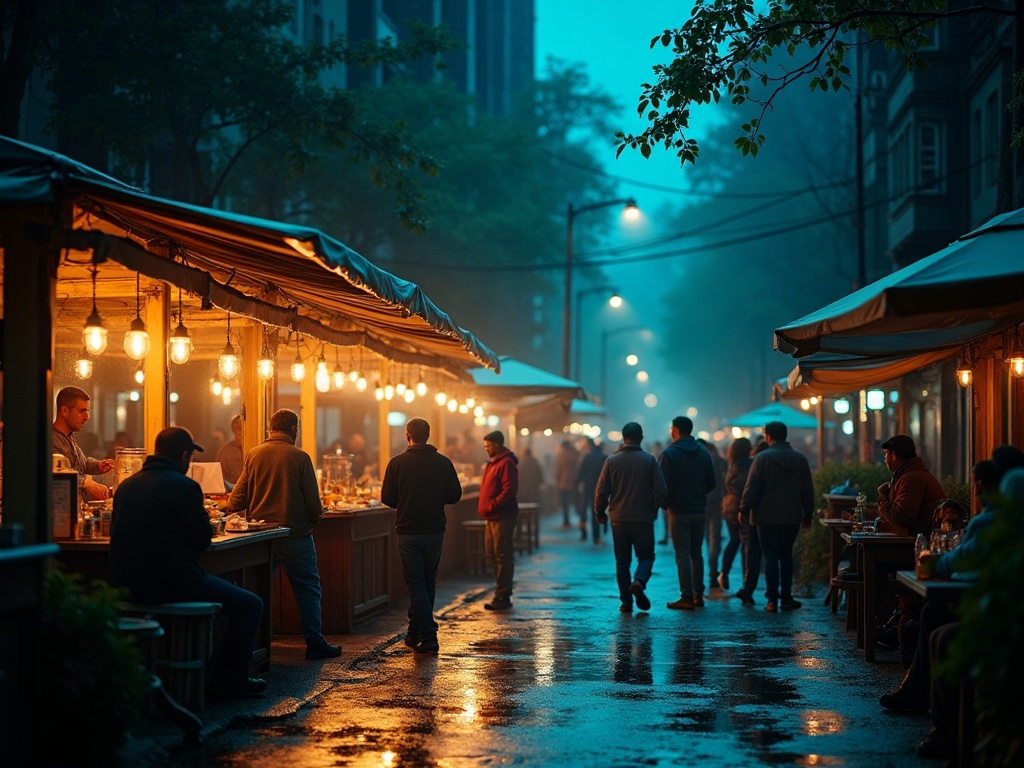
Outdoor labor — construction, gardening, deliveries — has migrated to dawn and dusk to dodge the wet-bulb heat, so the city has a thriving pre-dawn social life: cafes open at 4 a.m., and the 'second sunset' evening market is the new prime time for dating and dealmaking.
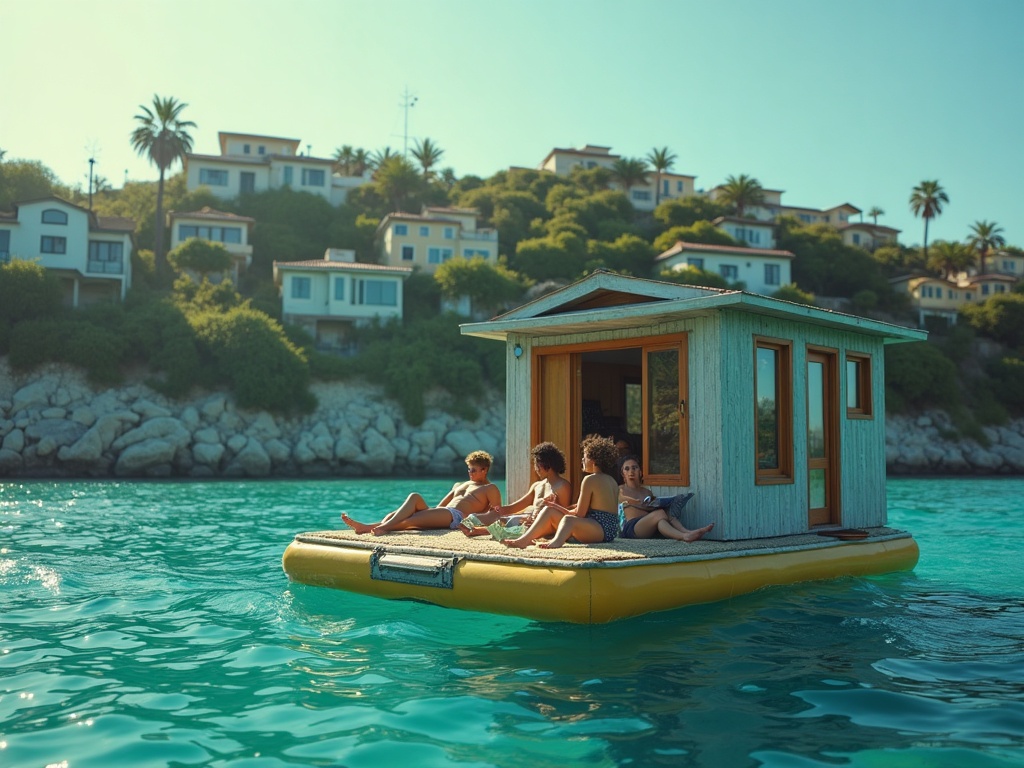
Status has inverted: the most expensive addresses are on the old un-fashionable inland ridge, while glamorous waterfront is now where artists and amphibious-curious young people live cheap on float-leases. 'Ground-floor money' and 'top-of-the-hill money' are slang for old vs. new wealth.
New technology
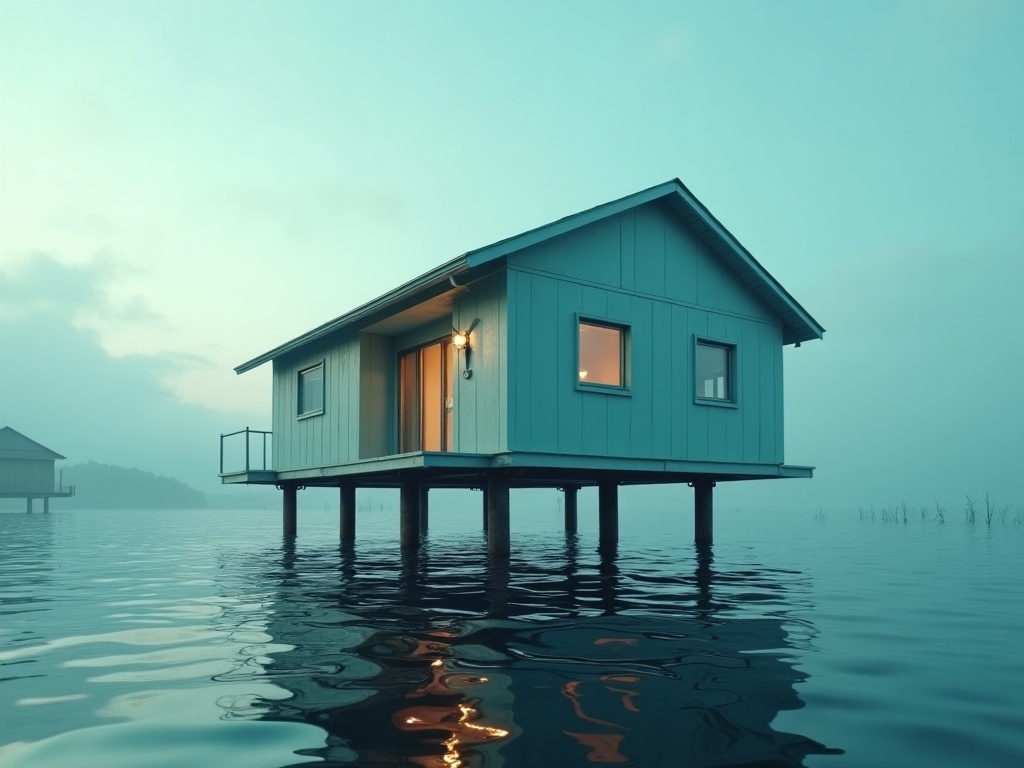
New buildings sit on buoyant ballasted foundations that ride guide-piles upward when water comes and settle back down — the structure floats during a flood and re-docks itself when the tide drops. Building code now specifies a 'design float height' the way it once specified a snow load.
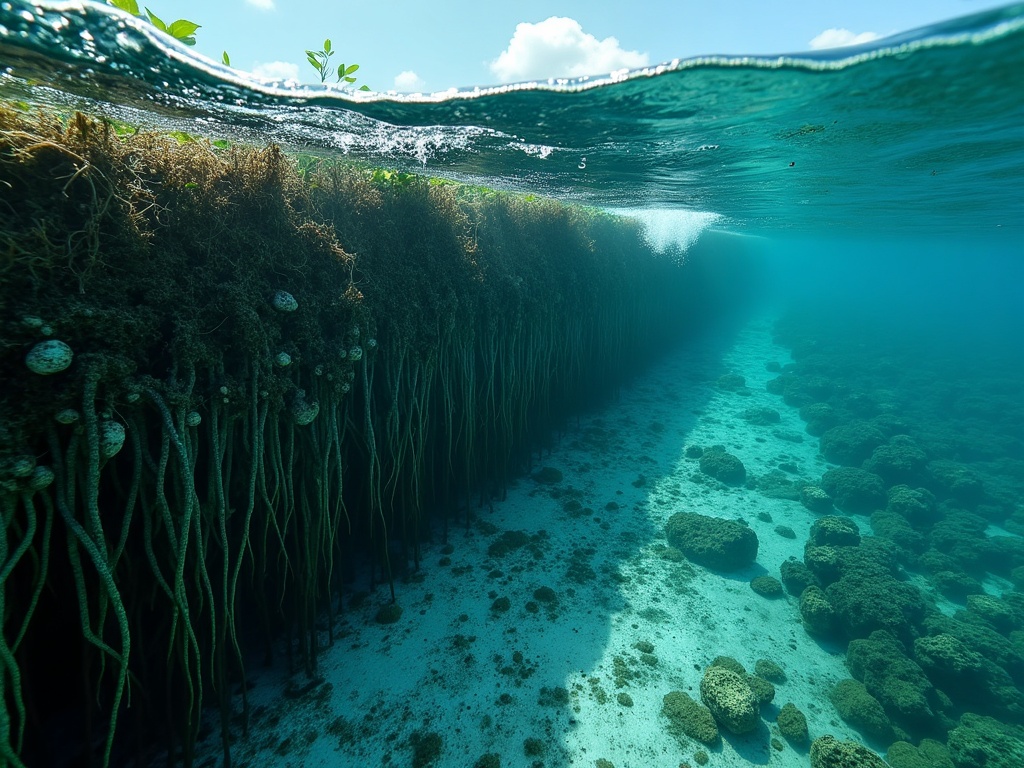
The hard concrete seawall is gone; in its place is an engineered oyster-and-mangrove reef seeded with calcifying microbes that self-repair after each storm, getting STRONGER with sea rise instead of being overtopped by it. The defense is alive, so it heals.

Roads are honeycombed permeable concrete over cistern voids that swallow a downpour in minutes, store it, and release it as cooling mist and irrigation in the heat. A single street can drink a 6-inch rain event and pay it back as a 5-degree cooler block by August.
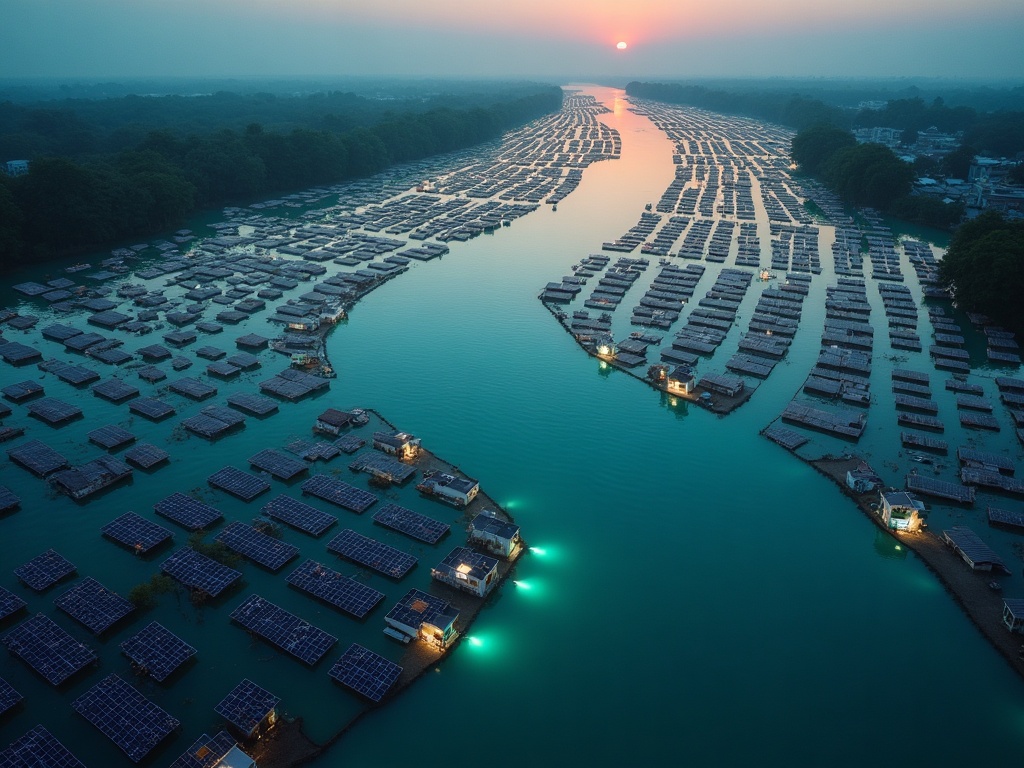
The city runs on floating solar over the flooded blue avenues plus tidal-flow turbines in the old river channel, and an AI 'tide brain' that pre-charges neighborhood batteries on the schedule of the moon, not just the sun — power is cheapest when the tide is ripping.

Everyone outdoors wears a patch that screams before heat stress turns dangerous, and clinics write 'cooling prescriptions' that unlock free transit to public cool-vaults — deep, geothermally chilled refuges under the old parking garages.
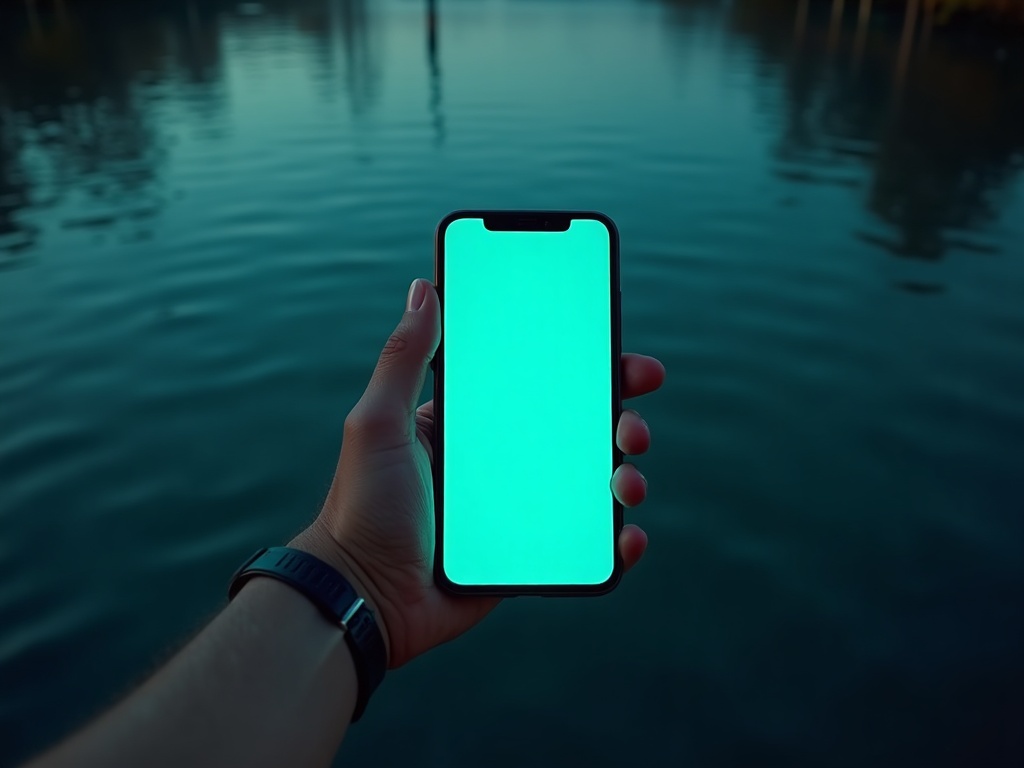
Flood coverage is no longer a policy you fight to renew; it's a per-tide micro-contract that pays out automatically the instant a sensor on your block crosses a water line — money lands before the water recedes, no adjuster, no claim form.
New trends
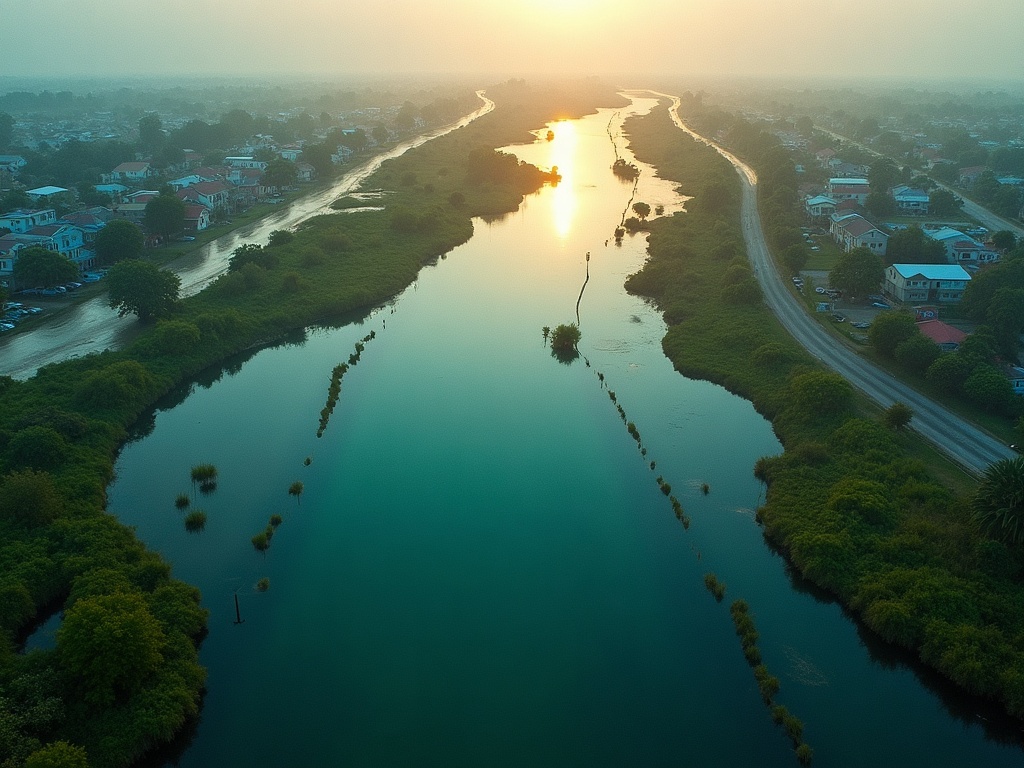
Instead of abandoning the lowest neighborhoods, the city bought them out and deliberately re-flooded them into productive lagoons — 'making room for the water' — so the retreat became a gain of beautiful, working wetland rather than a loss of a neighborhood.
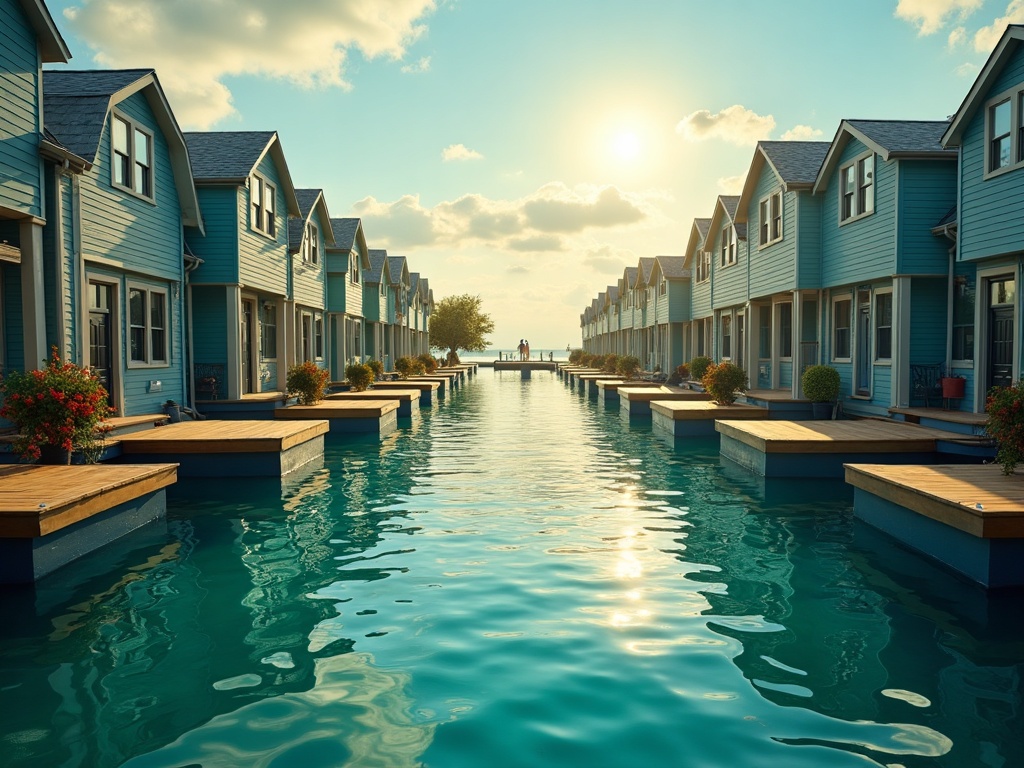
You don't own waterfront land anymore — land is too risky to title — you hold a 30-year 'float-lease' on the right to moor a buoyant home in a licensed basin. A whole financial industry has grown up around trading and insuring these wet leases.
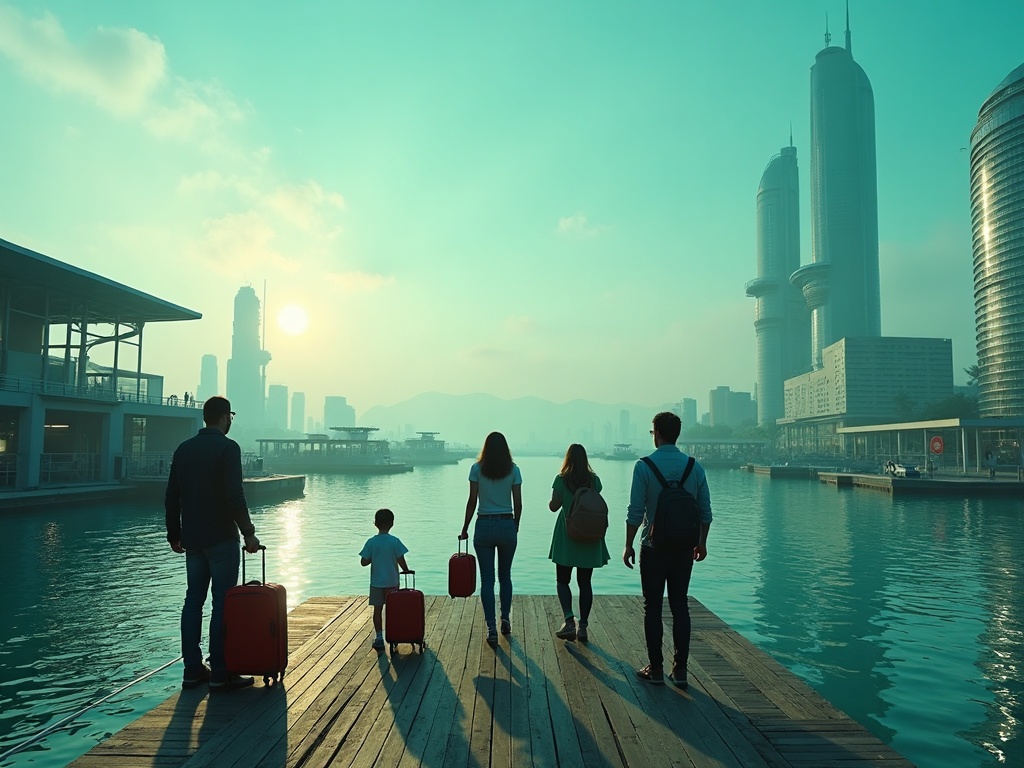
The migration flipped: people now flee the un-air-conditionable, un-insurable inland Sun Belt sprawl FOR engineered coastal cities that actually solved their climate problem. 'Climate-competent' is a city's main brag and its biggest property-value driver.
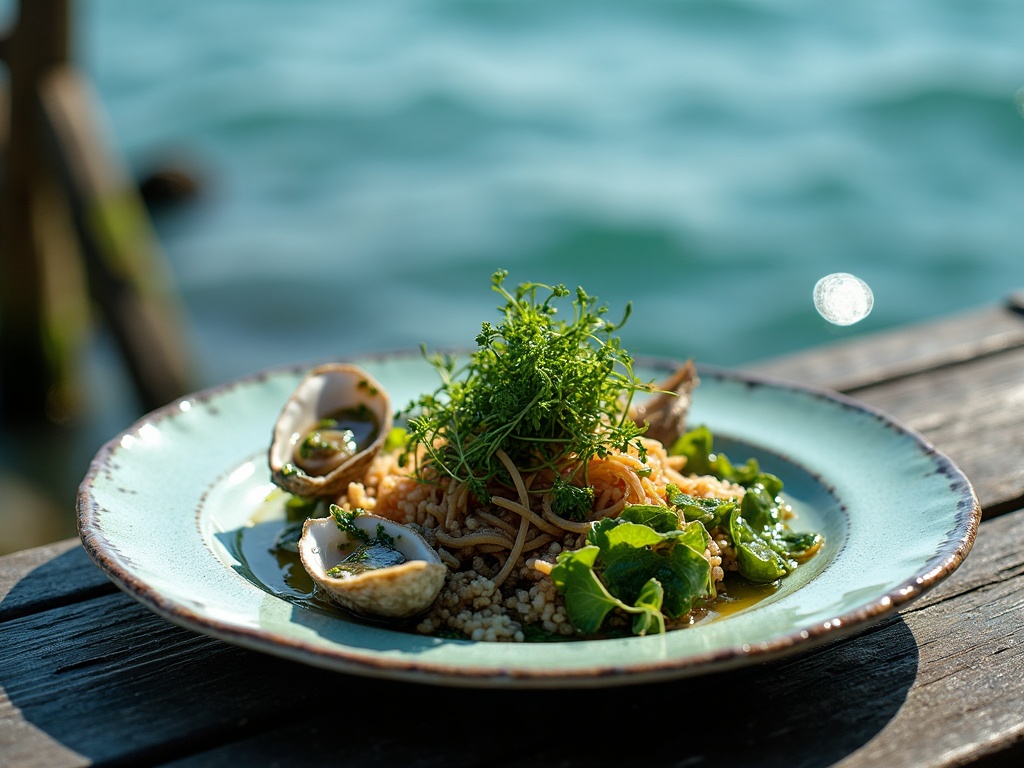
Local food is grown in saltwater — salt-tolerant 'sea vegetables,' kelp, and reef oysters — and a celebrated regional cuisine has formed around it. 'Tastes like the high tide' is now a compliment on a menu.
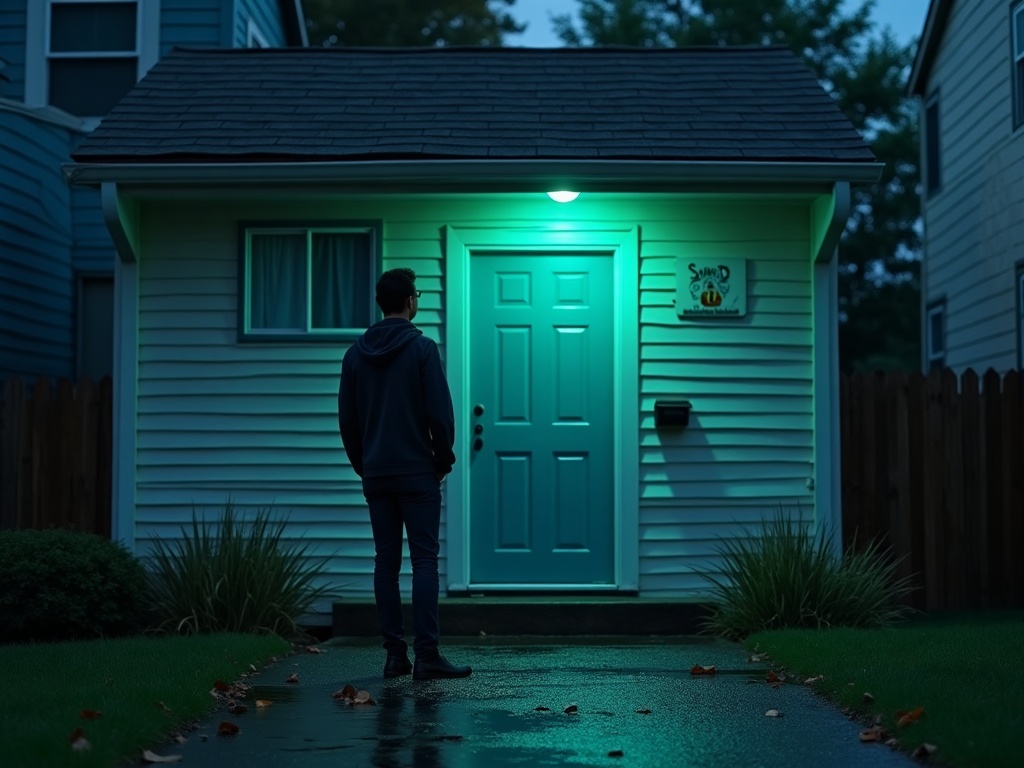
Households and businesses carry a public 'resilience rating' — how much surge you absorb, water you store, heat you dodge — and it sets your insurance, your loan rate, and frankly your dating-profile bragging rights. Civic virtue became financialized and visible.
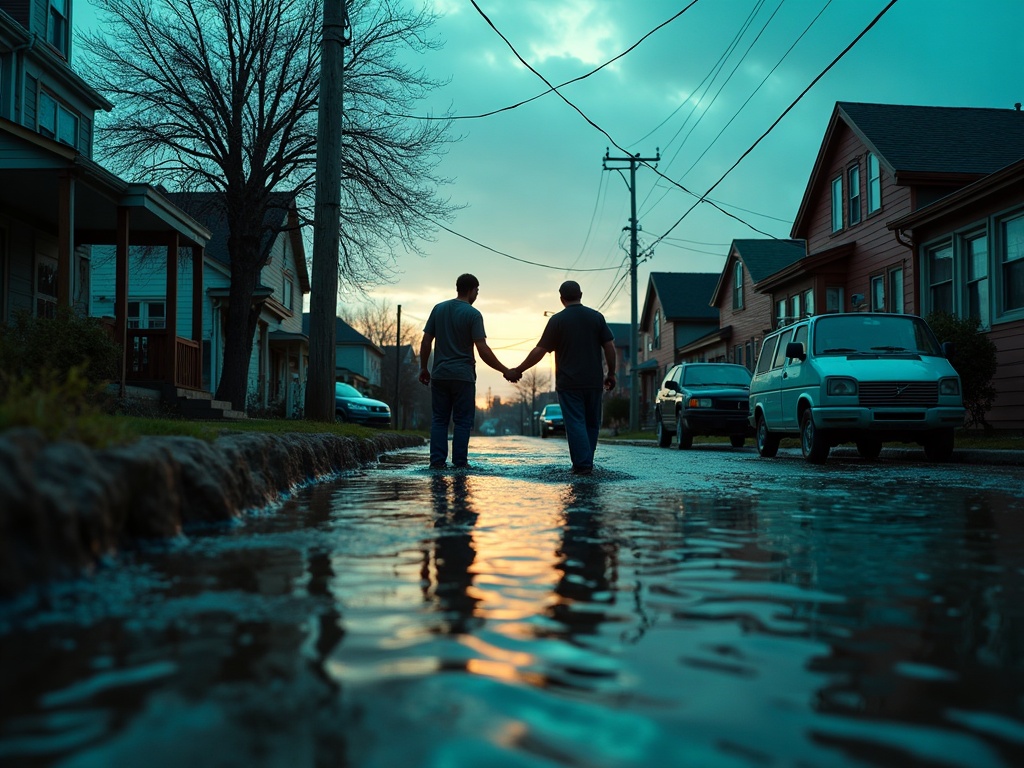
After the insurance market collapsed, the city issued citizen-held 'surge bonds' that fund communal rebuilds — you literally own a piece of your neighborhood's recovery, and payouts are split by how much you helped your block prepare.
New problems to solve

Saltwater intrusion is corroding rebar, killing the last freshwater trees, and poisoning the inland aquifer faster than the reefs can buffer it — there's a permanent, lucrative war against salt in every basement, pipe, and garden.
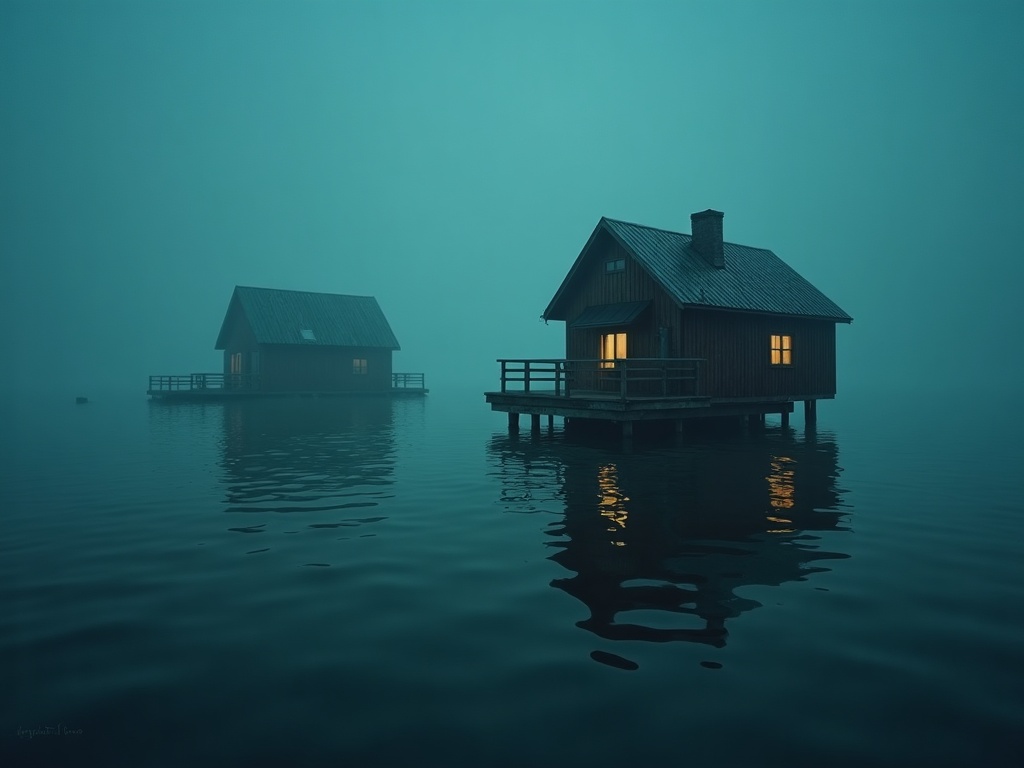
Amphibious living is wonderful if you can afford a certified buoyant home and brutal if you can't — a new underclass is stuck in un-floatable, un-insurable old housing on the bad side of the resilience rating, watching the wet calendar strand them.
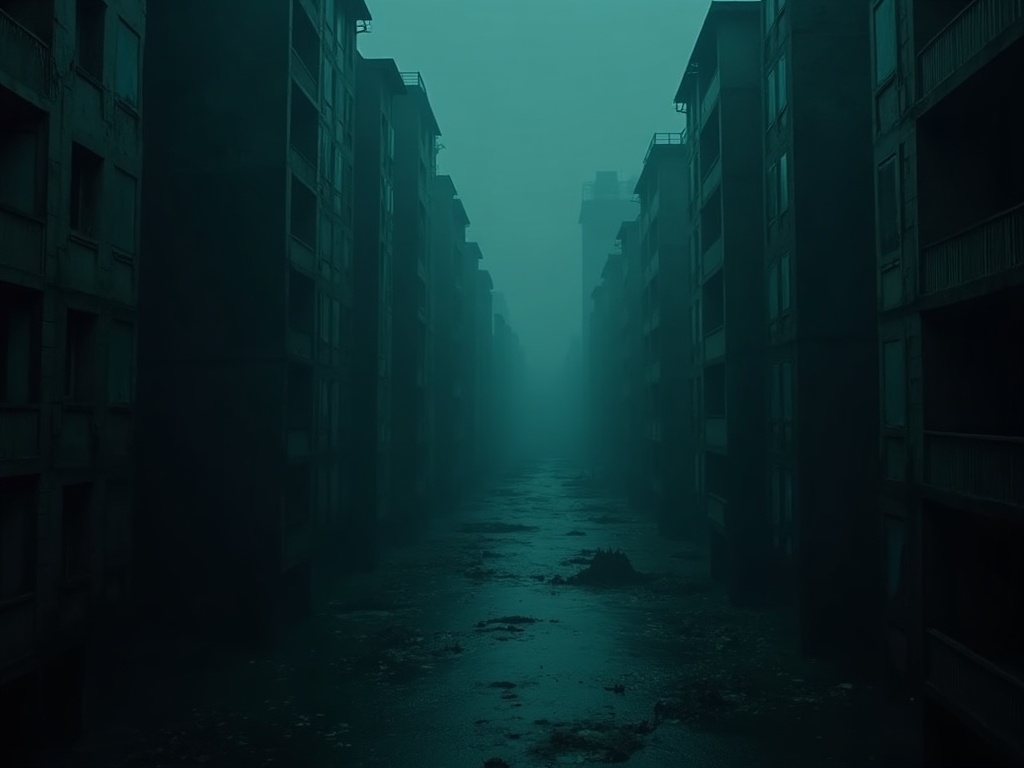
Even parametric micro-coverage skips the blocks that can't afford sensors, so whole pockets go 'dark' — uninsurable at any price — and quietly hollow out, becoming the city's new blight despite sitting next to thriving lagoons.
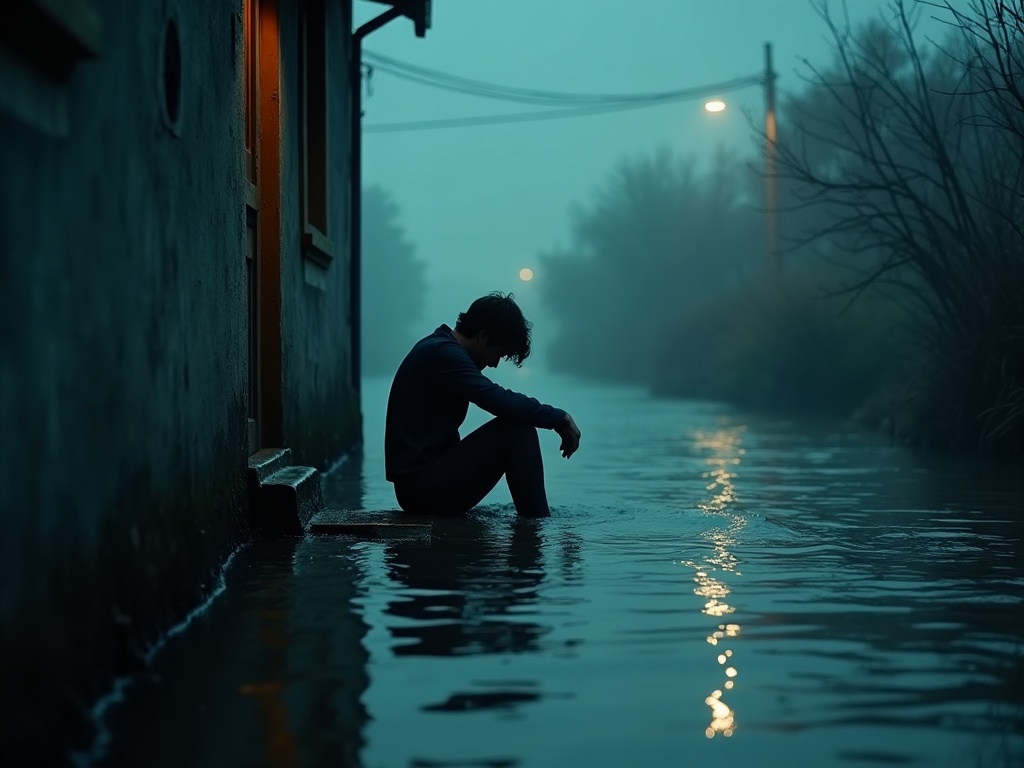
Living on a calendar dictated by the moon and the storm forecast wears people down; 'surge anxiety' and the exhaustion of perpetual readiness are the dominant public-health complaint, and nobody's fully solved the psychology of never standing on stable ground.
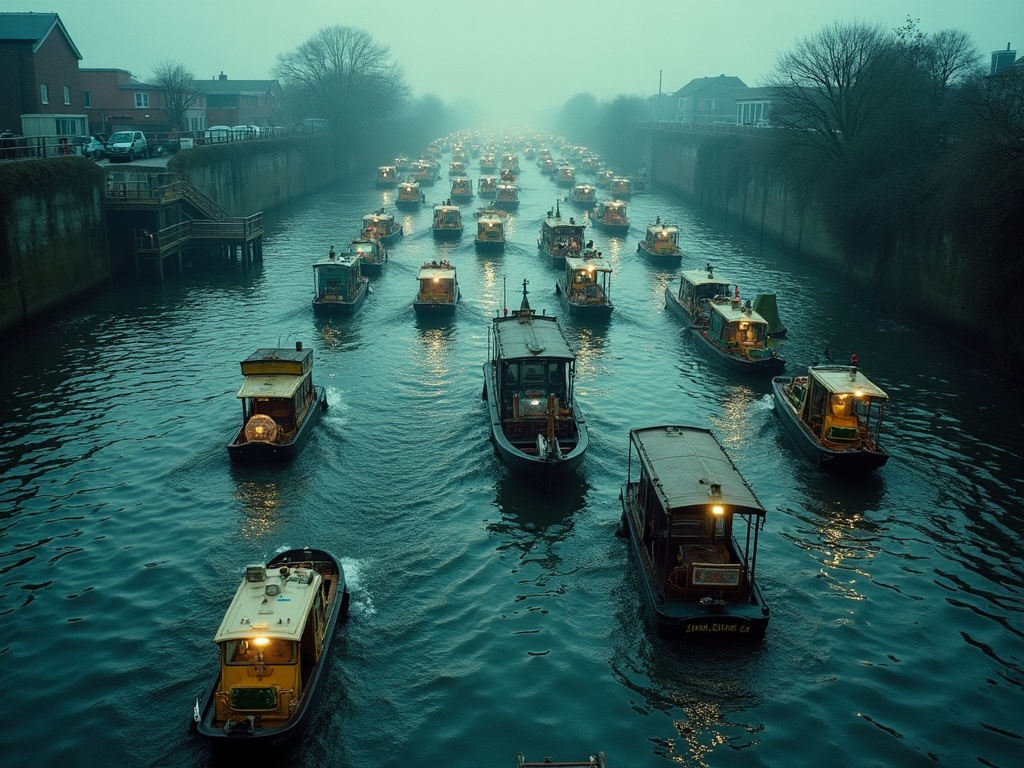
The same lagoons that protect the city also tangle it — boats, water-taxis, oyster crates, and tidal turbines fight for the same channels, and there's no good traffic system yet for a city that moves on water that moves on its own.
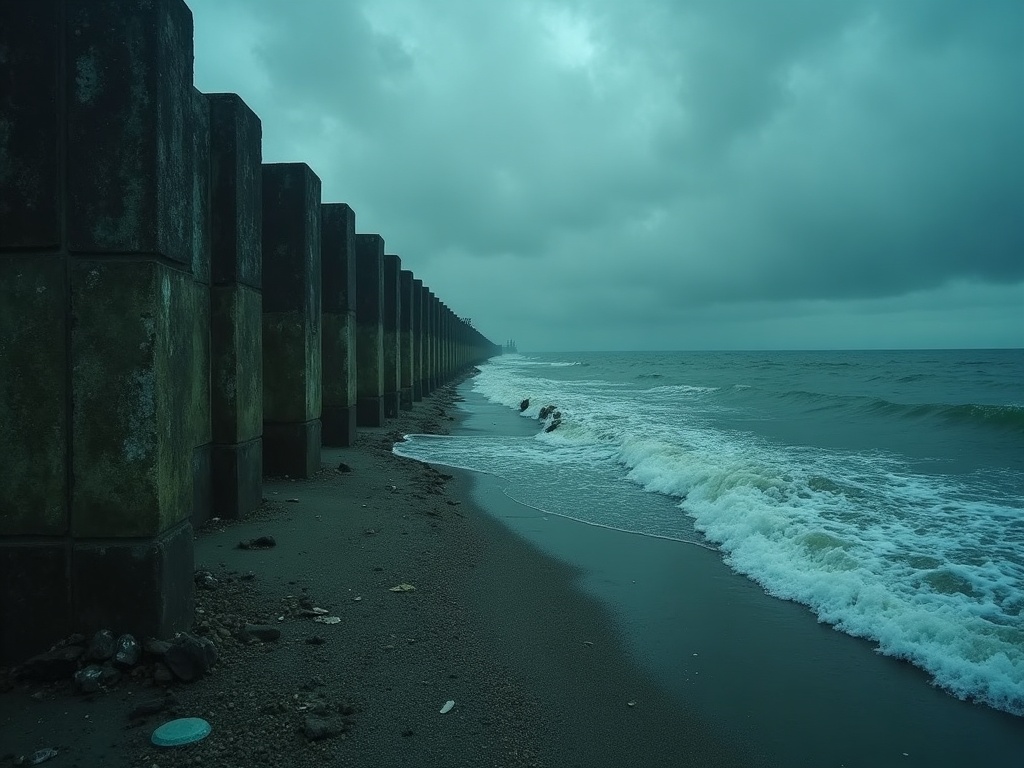
Living infrastructure must be tended forever — reefs reseeded, sponge-streets unclogged, float-piles serviced — and a city that skips a maintenance cycle can lose a decade of resilience in one storm. The bill never stops, and underfunding it is the quiet existential risk.
New companies
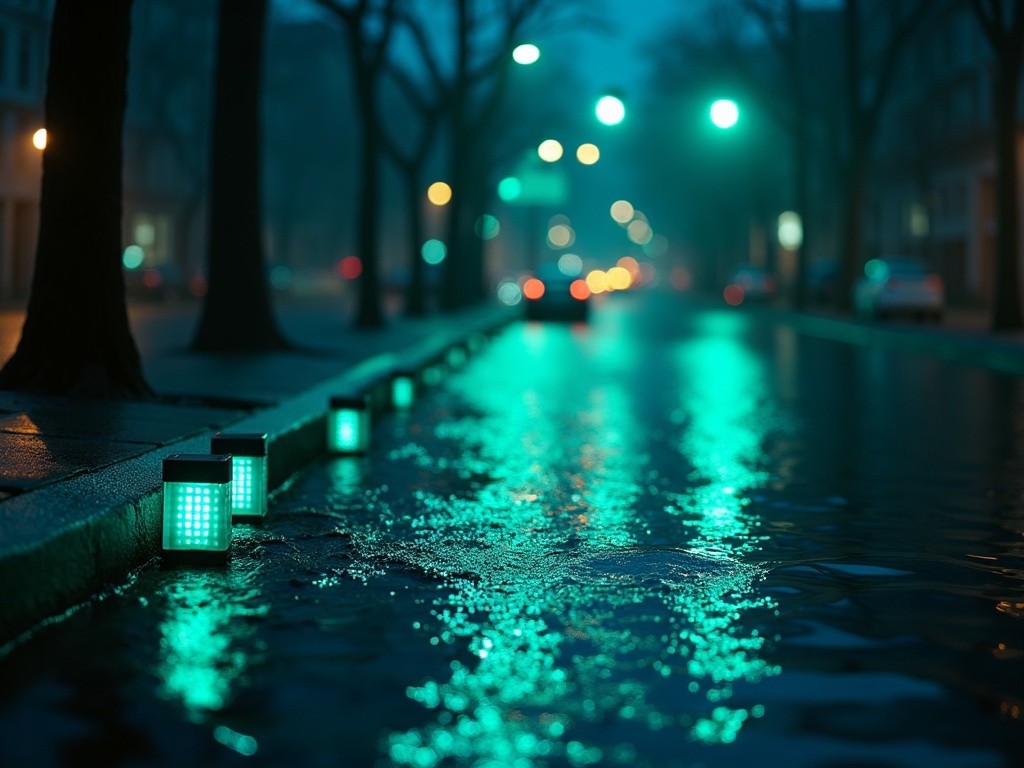
Parametric per-tide flood micro-insurance that pays out automatically the moment a block-level sensor crosses a water line — coverage you rent by the king tide, not the year.
It won by underwriting the blocks legacy insurers redlined, using its own dense sensor mesh as both the risk model AND the payout trigger, so it priced flood risk a decade more accurately than the dead NFIP ever could.
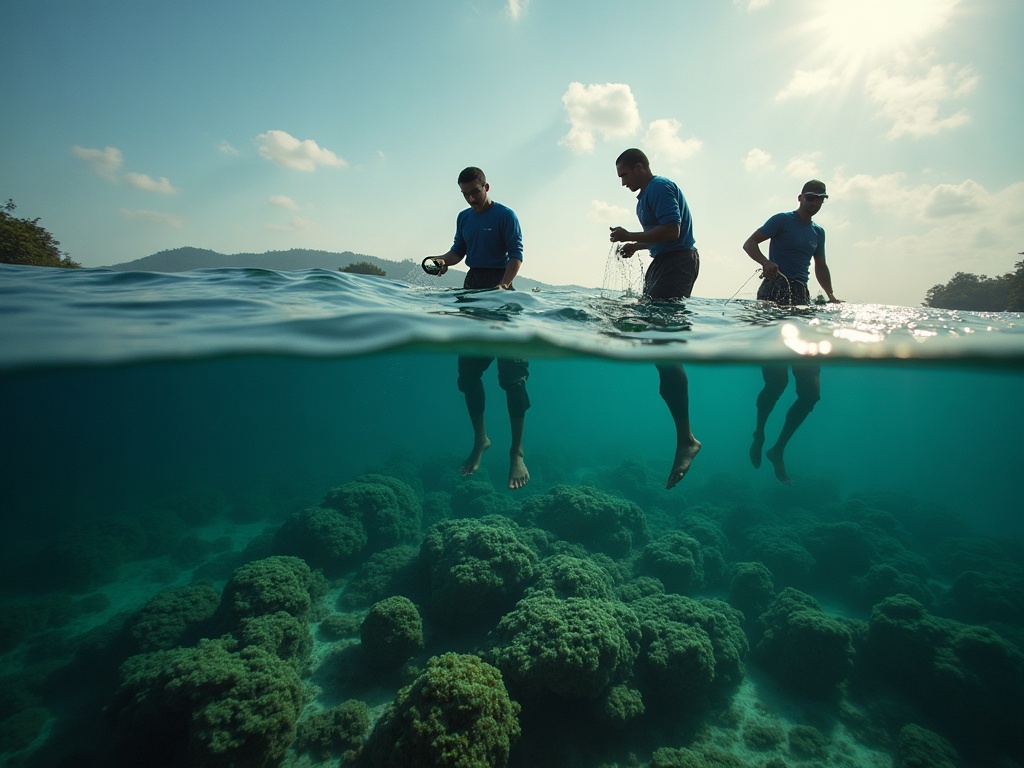
Designs, seeds, and maintains living seawalls — self-healing oyster-and-mangrove reefs sold as a subscription 'defense-as-a-service' that gets stronger as seas rise.
It locked in 40-year municipal maintenance contracts the way a previous era sold road paving; cities prefer a reef that heals itself for a monthly fee over a concrete wall that's obsolete the day it's poured.
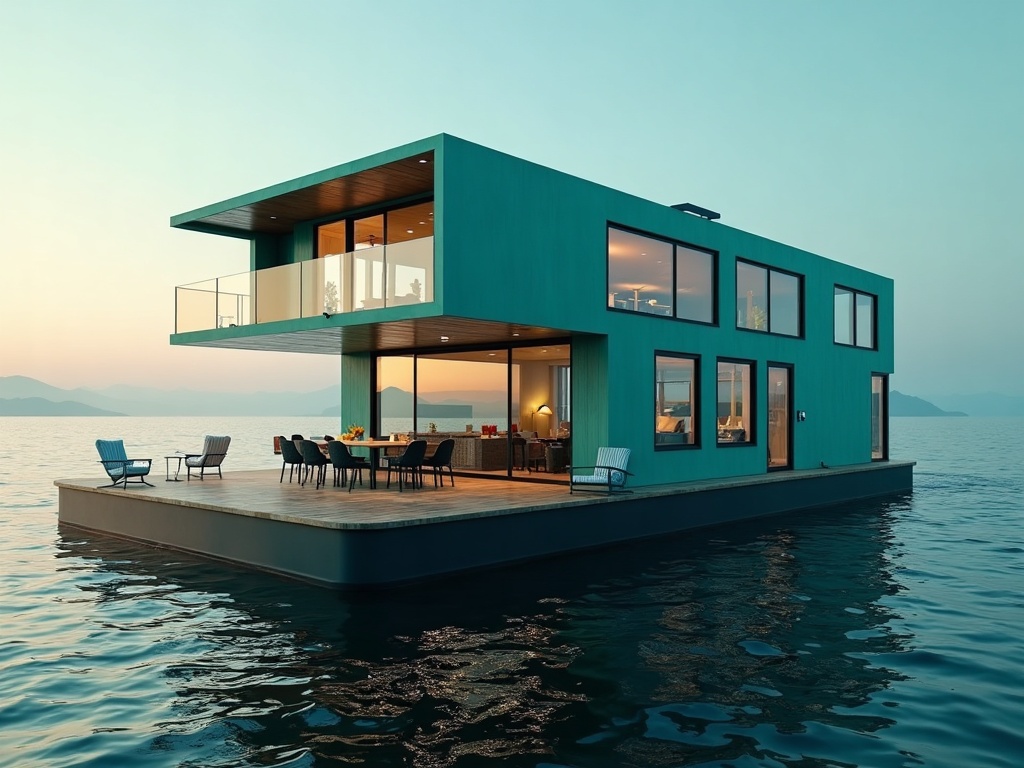
Turnkey amphibious foundations and certified buoyant homes, plus the 'float-lease' marketplace to finance, insure, and trade the right to moor them.
It became the de-facto standard the moment building codes adopted a 'design float height,' and it owns the rating spec everyone else must certify against — the company that defines the spec wins the market.
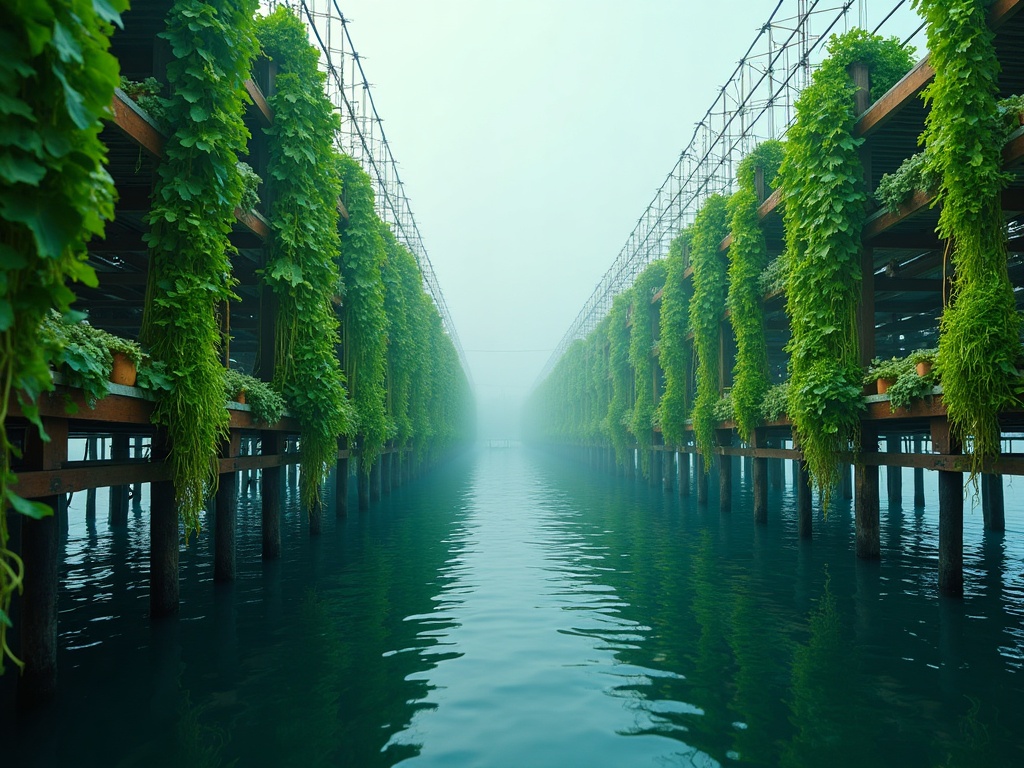
Saltwater vertical farms and a kelp-and-oyster food brand that turn the city's flooded lagoons into its breadbasket — agriculture that needs the salt instead of fighting it.
It won on cost and pride at once: when inland freshwater farms dried up and trucked-in food got pricey, brine-grown sea vegetables were suddenly the cheap LOCAL option AND the cool regional cuisine, so necessity and trend pulled the same way.